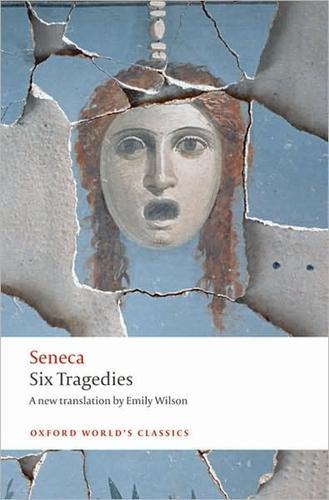
Six tragedies
by Seneca
Here is a lively, readable, and accurate verse translation of the six best plays by one of the most influential of all classical Latin writers—the only tragic playwright from ancient Rome whose work survives. Tutor to the emperor Nero, Seneca lived through uncertain, oppressive, and violent times, and his dramas depict the extremes of human behavior. Rape, suicide, child-murder, incestuous love, madness, and mutilation afflict the characters, who are obsessed and destroyed by their feelings. Seneca forces us to think about the difference between compromise and hypocrisy, about what happens when emotions overwhelm judgment, and about how a person can be good, calm, or happy in a corrupt…
Read the full description
Here is a lively, readable, and accurate verse translation of the six best plays by one of the most influential of all classical Latin writers—the only tragic playwright from ancient Rome whose work survives. Tutor to the emperor Nero, Seneca lived through uncertain, oppressive, and violent times, and his dramas depict the extremes of human behavior. Rape, suicide, child-murder, incestuous love, madness, and mutilation afflict the characters, who are obsessed and destroyed by their feelings. Seneca forces us to think about the difference between compromise and hypocrisy, about what happens when emotions overwhelm judgment, and about how a person can be good, calm, or happy in a corrupt…
Here is a lively, readable, and accurate verse translation of the six best plays by one of the most influential of all classical Latin writers—the only tragic playwright from ancient Rome whose work survives. Tutor to the emperor Nero, Seneca lived through uncertain, oppressive, and violent times, and his dramas depict the extremes of human behavior. Rape, suicide, child-murder, incestuous love, madness, and mutilation afflict the characters, who are obsessed and destroyed by their feelings. Seneca forces us to think about the difference between compromise and hypocrisy, about what happens when emotions overwhelm judgment, and about how a person can be good, calm, or happy in a corrupt society and under constant threat of death. In addition to her superb translation, Emily Wilson provides an invaluable introduction which offers a succinct account of Seneca's life and times, his philosophical beliefs, the literary form of the plays, and their immense influence on European literature. The book also includes an up-to-date bibliography and explanatory notes which identify mythological allusions. - Publisher.
Your rating & review
Rate this book
Unrated
Ratings & reviews
No ratings here yet. Read it? Leave your mark in the margin.
Editions
Gathering editions from Open Library…
Something tucked inside your copy?
A pressed flower, a ticket stub, an inscription on the flyleaf. Photograph it for Found in Books.
Send your copy travelling
Print a numbered bookplate, pass the book on, and follow where it goes next.
About Six tragedies
A few practical answers before choosing a copy.
Bibliographic source: Open Library- Who wrote Six tragedies?
Six tragedies is by Seneca. The catalogue records its first publication in 2010. A later edition may have a different publication date on its copyright page.
- How long is Six tragedies?
The catalogue records 288 pages for a representative edition. Pagination varies with the publisher, format, type size and translation, so check the edition you intend to read.
