Author
Warren Farrell
Warren Thomas Farrell is an American author, educator, and activist who has written about gender, particularly men's issues. Initially active in the second wave feminist movement of the late 1960s and 1970s, Farrell was a board member of the National Organization for Women in New York City and authored The Liberated Man (1974), which explored how traditional gender roles constrained both men and women. He obtained his doctorate in political science on the topic in 1974. His role-reversal workshops in the 1970s and early 1980s brought him mainstream attention. Over time, he grew critical of feminism and shifted his focus toward highlighting the disadvantages and challenges faced by men.
Biography from Wikipedia (CC BY-SA). Bibliographic data from Open Library.
Books by Warren Farrell
Most-read first
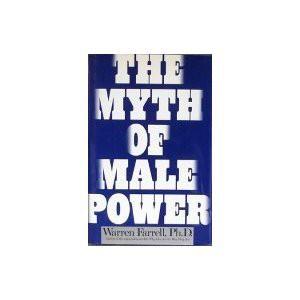
The Myth of Male Power
Warren Farrell, 1993
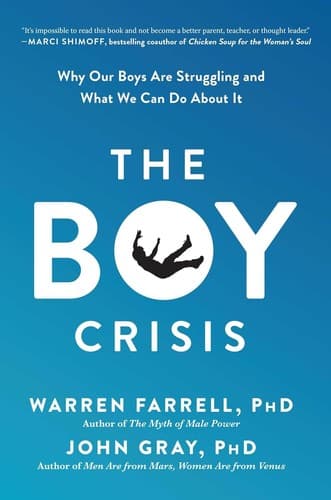
The Boy Crisis
Warren Farrell & John Gray, 2018
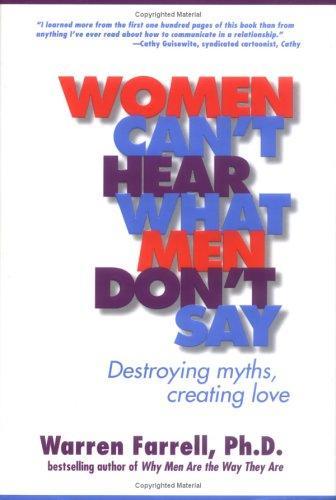
Women Can't Hear What Men Don't Say
Warren Farrell, 1999
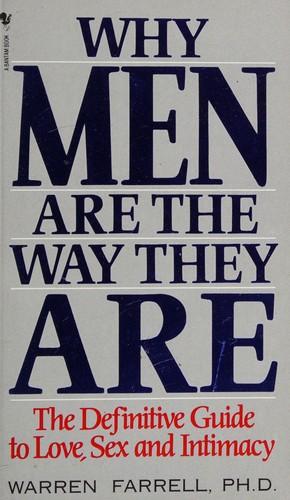
Why Men Are the Way They Are
Warren Farrell, 1986
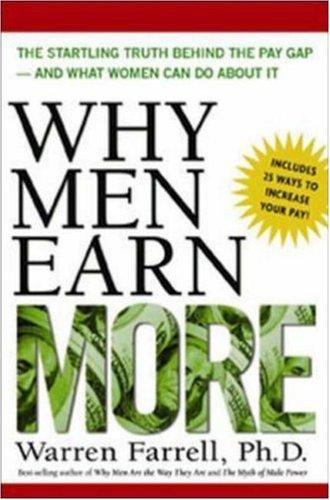
Why Men Earn More
Warren Farrell, 2005
The Liberated Man: Beyond Masculinity
Warren Farrell, 1974
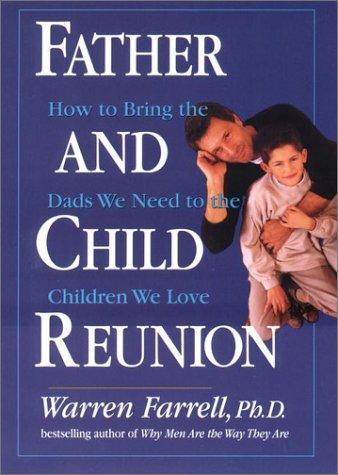
Father and Child Reunion
Warren Farrell, 2001
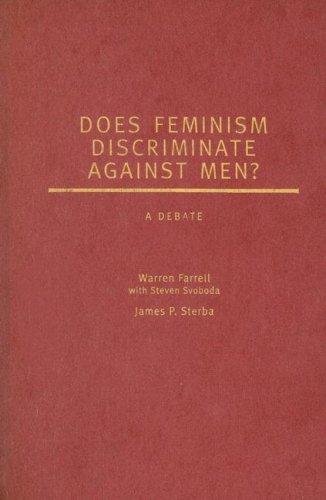
Does Feminism Discriminate Against Men?
Warren Farrell, James P. Sterba & others, 2007
- The Ten Greatest Myths About MenWarren Farrell
The Ten Greatest Myths About Men
Warren Farrell, 1990
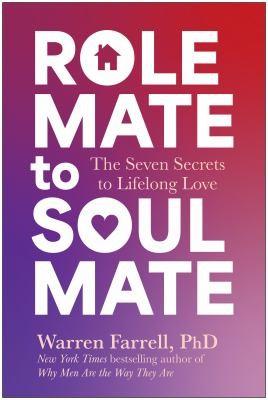
Role Mate to Soul Mate
Warren Farrell, 2024
- So Once Was IWarren Farrell
So Once Was I
Warren Farrell, 2024
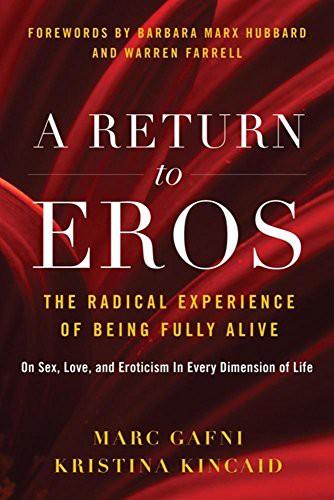
A Return to Eros
Marc Gafni, Kristina Kincaid & others, 2017
Reading Warren Farrell
- Which books by Warren Farrell can I find here?
This page currently brings together 12 catalogue works, including The Myth of Male Power, The Boy Crisis, Women Can't Hear What Men Don't Say. This is a selection from our catalogue, not necessarily a complete bibliography. Open a work to compare editions and reviews.
Search this author- How are these books ordered?
The list uses catalogue reading-popularity data to put widely read works first. That is a discovery aid, not a claim that the first result is the author's best book or a recommended reading order.
- Where should I check a particular edition or translation?
Open the book's catalogue page and compare publisher, year, format, language and ISBN. Different editions of the same work can have different translators, introductions and page counts.