Author
Tom Godwin
Tom Godwin was an American science fiction author active throughout the 1950s into the 1970s. In his career, Godwin published three novels and around thirty short stories. He is best known for his short story, "The Cold Equations". Published in 1954, the short story was Godwin's fourth work to be published and was one whose controversial dark ending helped redefine the genre.
Biography from Wikipedia (CC BY-SA). Bibliographic data from Open Library.
Books by Tom Godwin
Most-read first
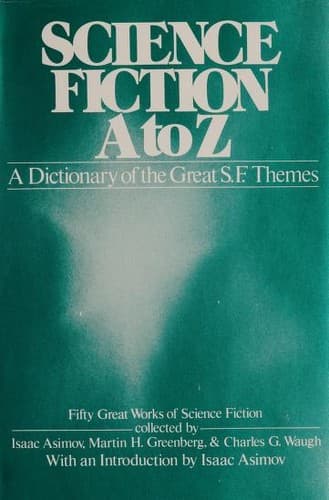
Science Fiction A to Z
Isaac Asimov, Martin H. Greenberg & others, 1982
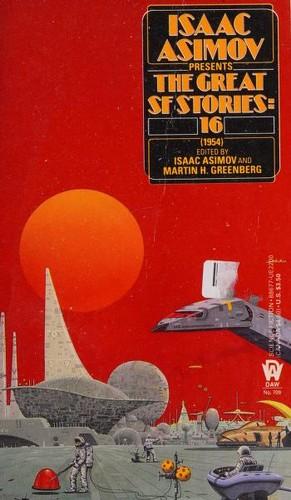
Isaac Asimov Presents The Great SF Stories 16 (1954)
Isaac Asimov, Martin H. Greenberg & others, 1987
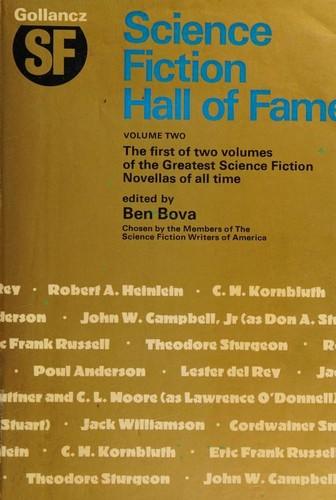
The Science Fiction Hall of Fame -- Volume Two
Ben Bova, Robert Silverberg & others, 1972
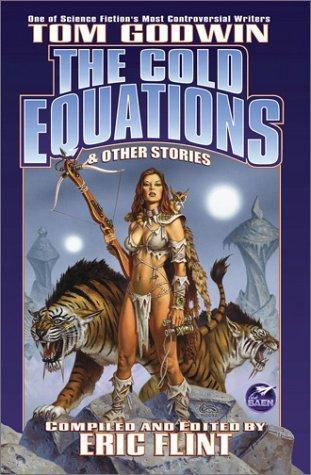
The Cold Equations & Other Stories
Tom Godwin, 2003
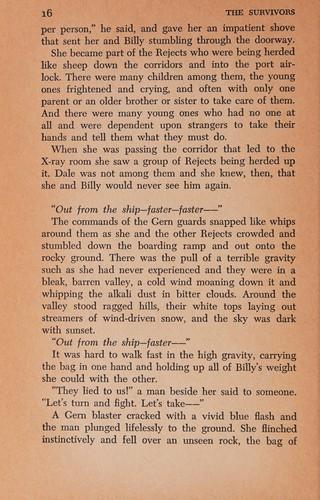
The Survivors
Tom Godwin, 1958
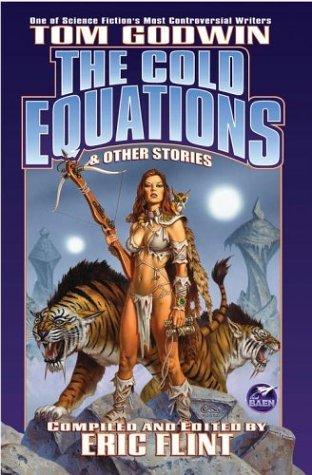
The Cold Equations
Tom Godwin, 2003
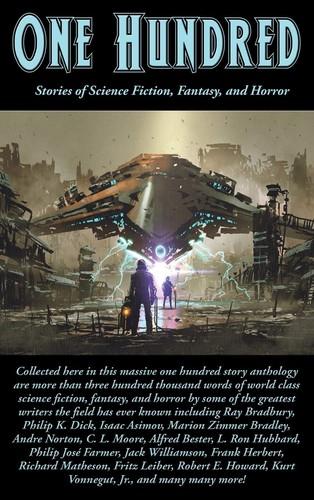
One Hundred
Philip K. Dick, Ray Bradbury & others, 2020

Space Prison
Tom Godwin, 2009
- Tom Godwin Collection (5 Books)Tom Godwin
Tom Godwin Collection (5 Books)
Tom Godwin, 2010
- Brain TeaserTom Godwin
Brain Teaser
Tom Godwin, 2016
- Helpful Hand of GodTom Godwin
Helpful Hand of God
Tom Godwin, 2012
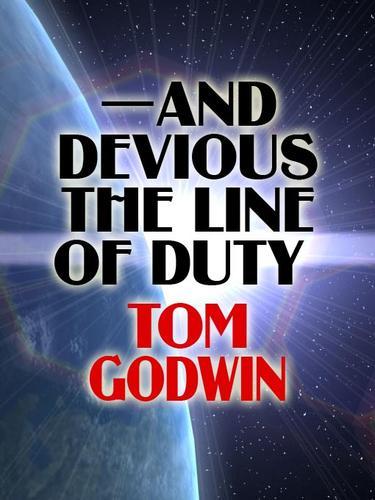
And Devious the Line of Duty
Tom Godwin, 2012
- Cry from a Small PlanetTom Godwin
Cry from a Small Planet
Tom Godwin, 2012
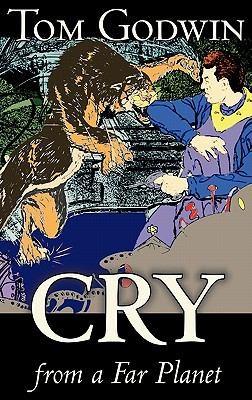
Cry from a Far Planet
Tom Godwin, 2011
- 5 Sci-Fi Stories by Tom GodwinTom Godwin
5 Sci-Fi Stories by Tom Godwin
Tom Godwin, 2012
- And Devious the Line of Duty - Custom PDFTom Godwin
And Devious the Line of Duty - Custom PDF
Tom Godwin, 2016
- 1950's Science-Fiction Stories #2Tom Godwin, Randall Garrett & others
1950's Science-Fiction Stories #2
Tom Godwin, Randall Garrett & others, 2014
- Nothing EquationTom Godwin
Nothing Equation
Tom Godwin, 2016
- Beyond Another SunTom Godwin
Beyond Another Sun
Tom Godwin, 1971
- The Best Science Fiction Stories and NovelsPoul Anderson, Michael Shaara & others
The Best Science Fiction Stories and Novels
Poul Anderson, Michael Shaara & others, 1958
Worlds of If Super Pack #2
Kurt Vonnegut, R. A. Lafferty & others, 2016
- अंतरिक्ष जेलTom Godwin
अंतरिक्ष जेल
Tom Godwin, 2021
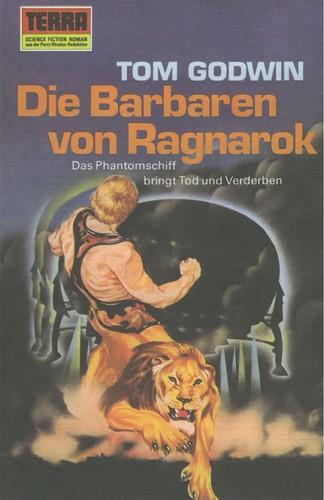
The Space Barbarians
Tom Godwin, 1973
Reading Tom Godwin
- Which books by Tom Godwin can I find here?
This page currently brings together 23 catalogue works, including Science Fiction A to Z, Isaac Asimov Presents The Great SF Stories 16 (1954), The Science Fiction Hall of Fame -- Volume Two. This is a selection from our catalogue, not necessarily a complete bibliography. Open a work to compare editions and reviews.
Search this author- How are these books ordered?
The list uses catalogue reading-popularity data to put widely read works first. That is a discovery aid, not a claim that the first result is the author's best book or a recommended reading order.
- Where should I check a particular edition or translation?
Open the book's catalogue page and compare publisher, year, format, language and ISBN. Different editions of the same work can have different translators, introductions and page counts.