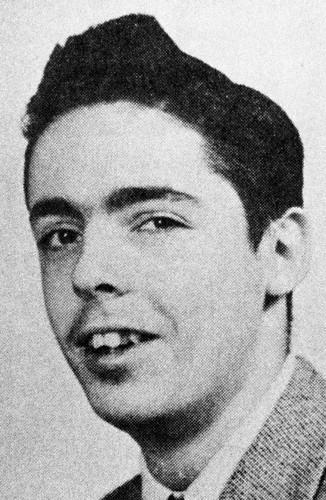
Author
Thomas Pynchon
Born 1937
Thomas Pynchon is an American novelist based in New York City and noted for his dense and complex works of fiction. Hailing from Long Island, Pynchon spent two years in the United States Navy and earned an English degree from Cornell University. After publishing several short stories in the late 1950s and early 1960s, he began composing the novels for which he is best known: V. (1963), The Crying of Lot 49 (1966), Gravity's Rainbow (1973), and Mason & Dixon (1997).
Wikipedia. Bibliographic data from Open Library.
Books by Thomas Pynchon
Most-read first
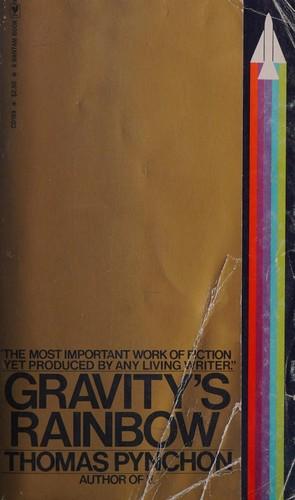
Gravity's Rainbow
Thomas Pynchon, 1973
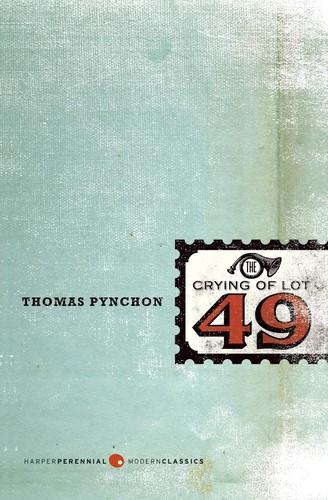
The Crying of Lot 49
Thomas Pynchon & Antonio-Prometeo Moya, 1965
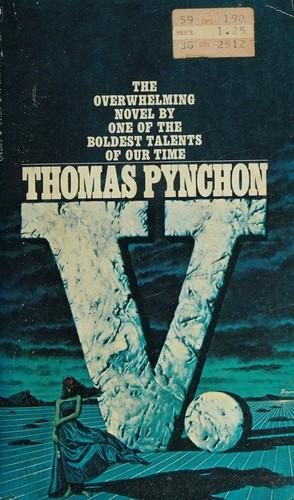
V.
Thomas Pynchon & Carlos Martín, 1963

Vineland
Thomas Pynchon, 1990
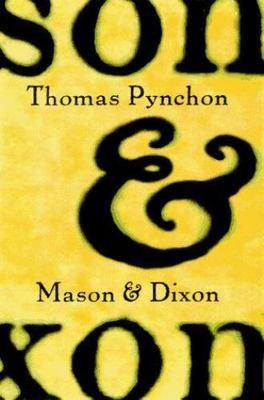
Mason & Dixon
Thomas Pynchon, 1997

Inherent Vice
Thomas Pynchon, 2009

Bleeding Edge
Thomas Pynchon & Vicente Campos González, 2013

Against the Day
Thomas Pynchon, 2006
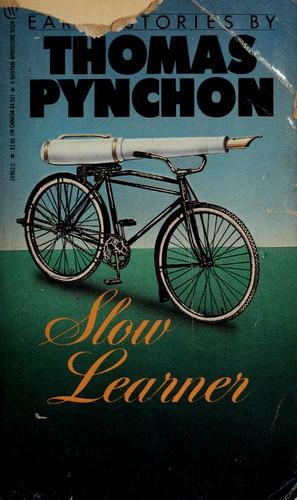
Slow Learner
Thomas Pynchon, 1984
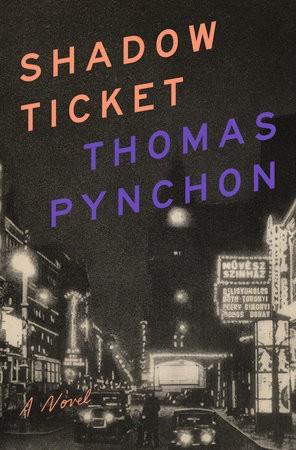
Shadow Ticket
Thomas Pynchon, 2025
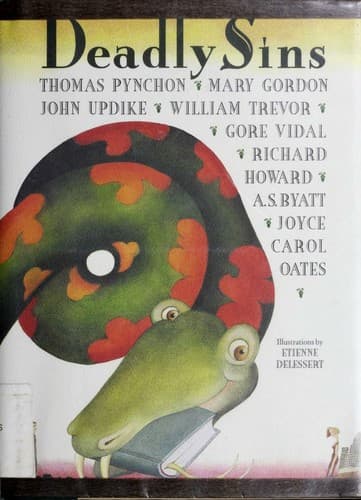
Deadly Sins
A. S. Byatt, Thomas Pynchon & others, 1993
Forms of the Novella
David H. Richter, Nikolaĭ Vasilʹevich Gogolʹ & others, 1981
Nelson Algren's own book of lonesome monsters
Nelson Algren, Saul Bellow & others, 1962

Mortality and Mercy in Vienna
Thomas Pynchon, 1970

Contraluz
Thomas Pynchon, 2010
Low-lands
Thomas Pynchon, 1978

The Secret Integration
Thomas Pynchon, 1980

Entropy
Thomas Pynchon, 1960
A journey into the mind of Watts
Thomas Pynchon, 1983
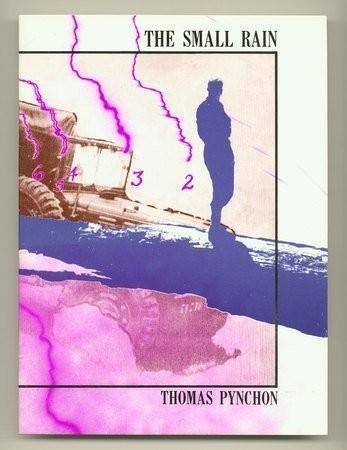
The Small Rain
Thomas Pynchon, 1982
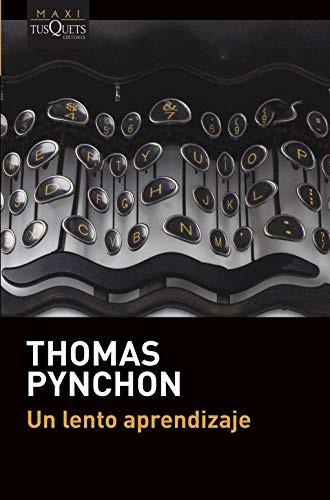
Un lento aprendizaje
Thomas Pynchon & Jordi Fibla, 2021
- New World Writing, No. 16Thomas Pynchon
New World Writing, No. 16
Thomas Pynchon, 1960
- Enhance Your Online BusinessThomas Pynchon
Enhance Your Online Business
Thomas Pynchon, 2014
- Teachings of Don B.Donald Barthelme, Kim Herzinger & others
Teachings of Don B.
Donald Barthelme, Kim Herzinger & others, 2018
- Knowing Personality TypesKnowing Personality TypesThomas Pynchon
Knowing Personality TypesKnowing Personality Types
Thomas Pynchon, 2014
- Otto peccati capitaliA. S. Byatt, Mary Gordon & others
Otto peccati capitali
A. S. Byatt, Mary Gordon & others, 1994
Reading Thomas Pynchon
- Which books by Thomas Pynchon can I find here?
This page currently brings together 26 catalogue works, including Gravity's Rainbow, The Crying of Lot 49, V.. This is a selection from our catalogue, not necessarily a complete bibliography. Open a work to compare editions and reviews.
Search this author- How are these books ordered?
The list uses catalogue reading-popularity data to put widely read works first. That is a discovery aid, not a claim that the first result is the author's best book or a recommended reading order.
- Where should I check a particular edition or translation?
Open the book's catalogue page and compare publisher, year, format, language and ISBN. Different editions of the same work can have different translators, introductions and page counts.