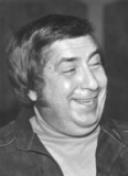
Author
Thomas N. Scortia
1926–1986
Thomas Nicholas Scortia was born in Alton, Illinois. In 1949, he received a degree in chemistry from Washington University in St. Louis. He went on to work for a number of aerospace companies, while writing in his spare time. In the early 1970s, he left his job to write full-time. He died of leukemia in California in 1986.
Wikipedia. Bibliographic data from Open Library.
Books by Thomas N. Scortia
Most-read first
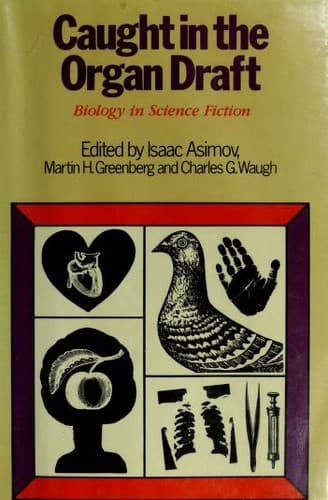
Caught in the Organ Draft
Isaac Asimov, Martin H. Greenberg & others, 1983
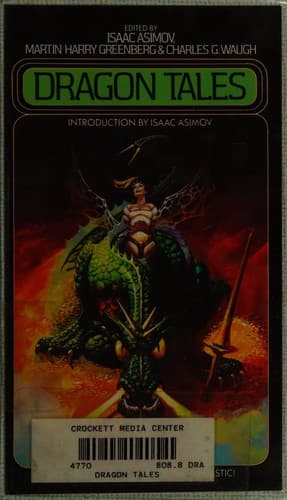
Dragon Tales
Isaac Asimov, Martin H. Greenberg & others, 1982
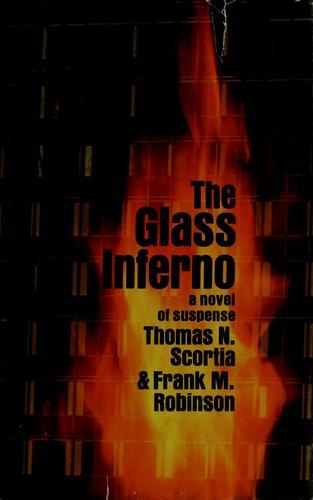
The Glass Inferno
Thomas N. Scortia, 1974
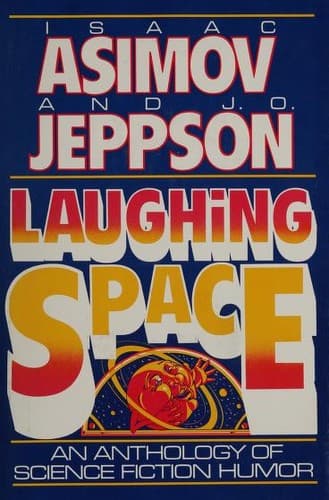
Laughing Space
Isaac Asimov, Janet Asimov & others, 1982
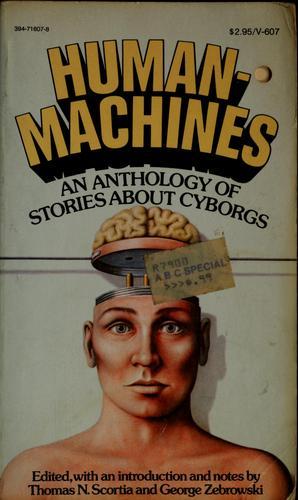
Human machines
Thomas N. Scortia & George Zebrowski, 1975
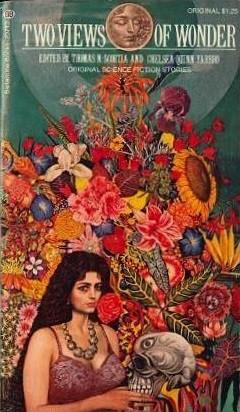
Two Views of Wonder
Thomas N. Scortia & Chelsea Quinn Yarbro, 1973
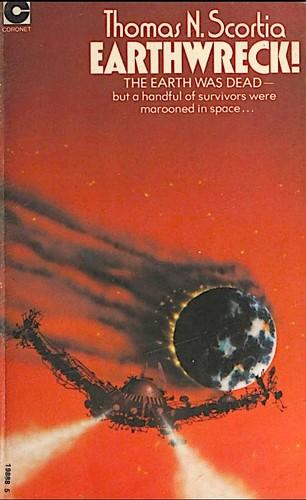
Earthwreck!
Thomas N. Scortia, 1974
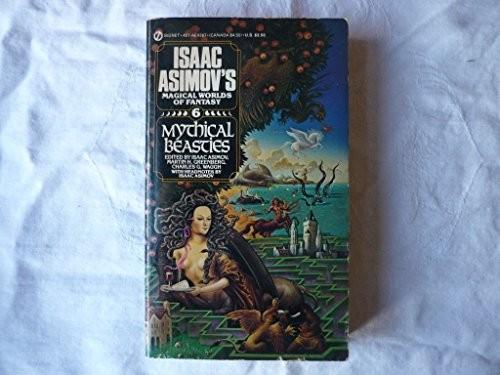
Isaac Asimov's Magical Worlds of Fantasy, Volume 6
Isaac Asimov, Martin H. Greenberg & others, 1986
The Gold Crew
Thomas N. Scortia, 1980
- Science Fiction Today and TomorrowReginald Bretnor, Poul Anderson & others
Science Fiction Today and Tomorrow
Reginald Bretnor, Poul Anderson & others, 1975
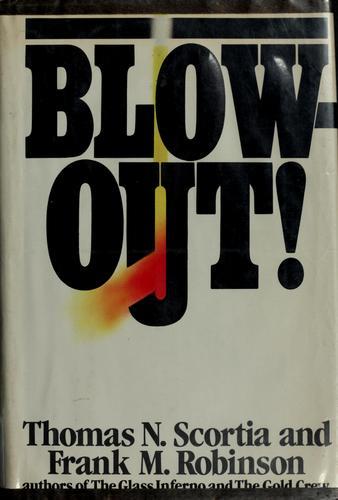
Blowout!
Thomas N. Scortia, 1987
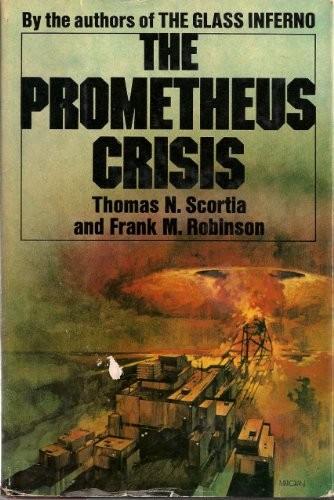
The Prometheus crisis
Thomas N. Scortia, 1975
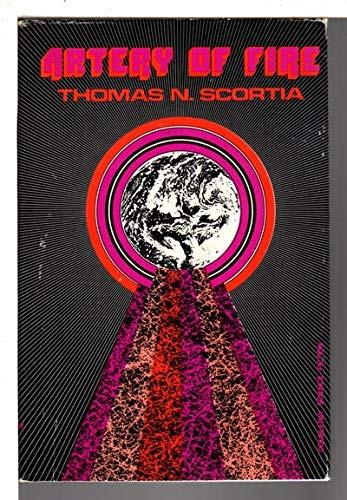
Artery of Fire
Thomas N. Scortia, 1972
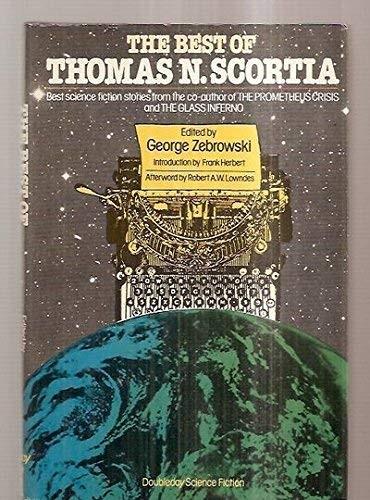
The best of Thomas N. Scortia
Thomas N. Scortia, 1981
Caution! Inflammable!
Thomas N. Scortia, 1975
The Nightmare Factor
Thomas N. Scortia, 1978
Strange Bedfellows
Thomas N. Scortia, 1974
- המגדל הלוהטThomas N. Scortia
המגדל הלוהט
Thomas N. Scortia, 1979
- L' Inferno di cristalloThomas N. Scortia
L' Inferno di cristallo
Thomas N. Scortia, 1975
- Genshiro daibakuhatsuThomas N. Scortia
Genshiro daibakuhatsu
Thomas N. Scortia, 1979
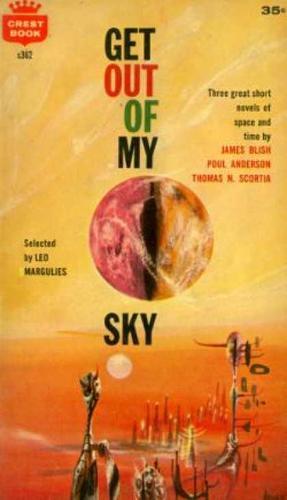
Get Out of My Sky
James Blish, Poul Anderson & others, 1960
Reading Thomas N. Scortia
- Which books by Thomas N. Scortia can I find here?
This page currently brings together 21 catalogue works, including Caught in the Organ Draft, Dragon Tales, The Glass Inferno. This is a selection from our catalogue, not necessarily a complete bibliography. Open a work to compare editions and reviews.
Search this author- How are these books ordered?
The list uses catalogue reading-popularity data to put widely read works first. That is a discovery aid, not a claim that the first result is the author's best book or a recommended reading order.
- Where should I check a particular edition or translation?
Open the book's catalogue page and compare publisher, year, format, language and ISBN. Different editions of the same work can have different translators, introductions and page counts.