Author
Sidney Webb
1859–1947
Sidney James Webb, 1st Baron Passfield was a British socialist, economist and reformer, who co-founded the London School of Economics. He was an early member of the Fabian Society in 1884, joining, like George Bernard Shaw, three months after its inception. Along with his wife Beatrice Webb and with Annie Besant, Graham Wallas, Edward R. Pease, Hubert Bland and Sydney Olivier, Shaw and Webb turned the Fabian Society into the pre-eminent politico-intellectual society in Edwardian England. He wrote the original, pro-nationalisation Clause IV for the British Labour Party.
Biography from Wikipedia (CC BY-SA). Bibliographic data from Open Library.
Books by Sidney Webb
Most-read first

Fabian Essays in Socialism
George Bernard Shaw, Sidney Webb & others, 1889

Soviet communism
Sidney Webb, 1935
The History of Trade Unionism
Sidney Webb, 1894

Problems of Modern Industry, By Sidney & Beatrice Webb
Sidney Webb, 1902
English local government from the revolution to the Municipal Corporations Act
Sidney Webb, 1906
- The development of English local governmentSidney Webb
The development of English local government
Sidney Webb, 1963

The development of English local government, 1689-1835
Sidney Webb, 1963
English Poor Law Policy
Sidney Webb, 1963
- Fabian SocietySidney Webb
Fabian Society
Sidney Webb
The Consumers' Co-operative Movement
Sidney Webb, 1921
The Eight Hours Day
Sidney Webb, 1891
A constitution for the socialist commonwealth of Great Britain
Sidney Webb, 1920
- The Works Manager To-daySidney Webb
The Works Manager To-day
Sidney Webb, 1917
The history of liquor licensing in England principally from 1700 to 1830
Sidney Webb, 1903
- Webbs on Industrial DemocracySidney Webb & Beatrice Potter Webb
Webbs on Industrial Democracy
Sidney Webb & Beatrice Potter Webb, 2005
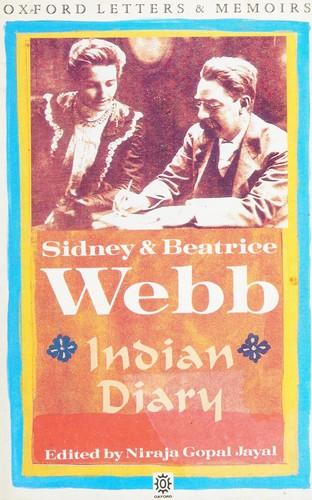
Indian diary
Sidney Webb & Beatrice Webb, 1990
- Labor in the Longest Reign (1837-1897)Sidney Webb
Labor in the Longest Reign (1837-1897)
Sidney Webb, 1908

The break-up of the Poor Law
Sidney Webb, 1909

The Prevention of Destitution
Sidney Webb, 1912
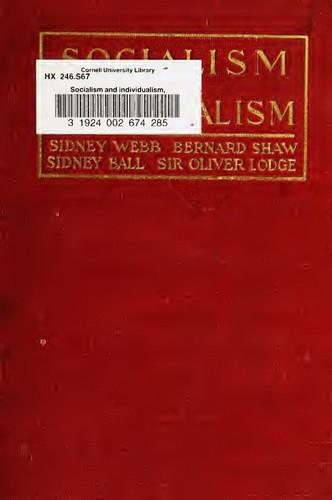
Socialism and Invidualism
Sidney Webb, George Bernard Shaw & others, 1911
- History of English Local Government, 1903-1929Sidney Webb & Beatrice Webb
History of English Local Government, 1903-1929
Sidney Webb & Beatrice Webb, 2016
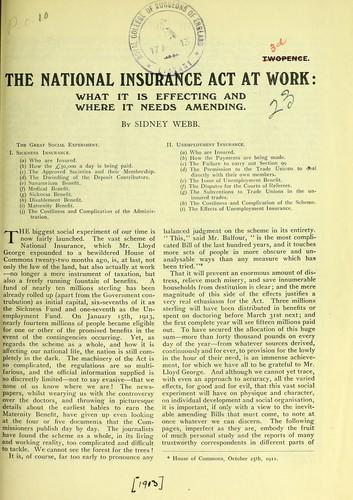
The National Insurance Act at work
Sidney Webb, 1913
- Rōdō kumiai undō shiSidney Webb
Rōdō kumiai undō shi
Sidney Webb, 1920
- BōhinsakuSidney Webb
Bōhinsaku
Sidney Webb, 1919
- The Constitutional Problems of a Co-operative SocietySidney Webb
The Constitutional Problems of a Co-operative Society
Sidney Webb, 1923
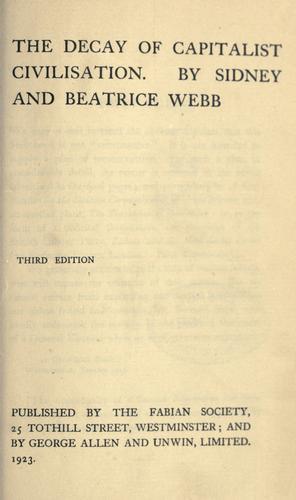
The Decay of Capitalist Civilisation
Sidney Webb, 1923
The Decline in the Birth-rate
Sidney Webb, 1907
- The Economics of Direct EmploymentSidney Webb
The Economics of Direct Employment
Sidney Webb, 1900
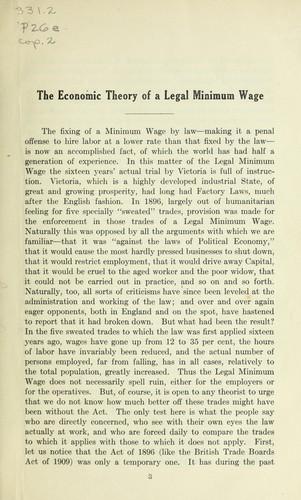
The Economic Theory of a Legal Minimum Wage
Sidney Webb, 1912
Education for National Efficiency
Sidney Webb, 1975
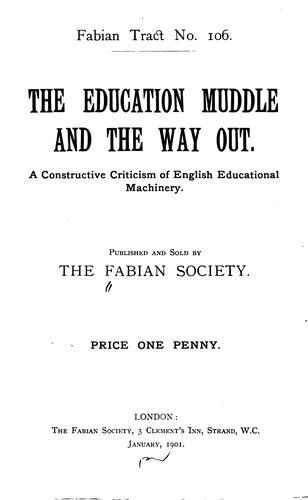
The Education Muddle and the Way Out: A Constructive Criticism of English Educational Machinery
Sidney Webb, 1901
English Local Government: The Story of the King's Highway
Sidney Webb, 1913
- English Prisons Under Local GovenmentSidney Webb
English Prisons Under Local Govenment
Sidney Webb, 1963
Grants in Aid: A Criticism and a Proposal
Sidney Webb, 1911
- Histoire du trade unionismeSidney Webb
Histoire du trade unionisme
Sidney Webb, 1897
- The History of Liquor Licensing Principally from 1700 to 1830Sidney Webb
The History of Liquor Licensing Principally from 1700 to 1830
Sidney Webb, 1963
How to pay for the war
Sidney Webb, 1917
- The London education act, 1903Sidney Webb
The London education act, 1903
Sidney Webb, 1904
- Memorandum on the position of Mr. Arthur Greenwood, M.P., Secretary to the Advisory Committees and Head of the Joint Department of Information and ResearchSidney Webb
Memorandum on the position of Mr. Arthur Greenwood, M.P., Secretary to the Advisory Committees and Head of the Joint Department of Information and Research
Sidney Webb, 1923
- National finance and a levy on capital, what the Labour Party intendsSidney Webb
National finance and a levy on capital, what the Labour Party intends
Sidney Webb, 1919
- The Necessary Basis of SocietySidney Webb
The Necessary Basis of Society
Sidney Webb, 1911
- The Need for Federal Reorganisation in the Co-operative MovementSidney Webb
The Need for Federal Reorganisation in the Co-operative Movement
Sidney Webb, 1923
- The Osborne revolutionSidney Webb
The Osborne revolution
Sidney Webb, 1911
The Progress of Socialism
Sidney Webb, 1890
The Public Organisation of the Labour Market
Sidney Webb, 1909
- The reform of the House of LordsSidney Webb
The reform of the House of Lords
Sidney Webb, 1917
- The Root of Labour UnrestSidney Webb
The Root of Labour Unrest
Sidney Webb, 1920
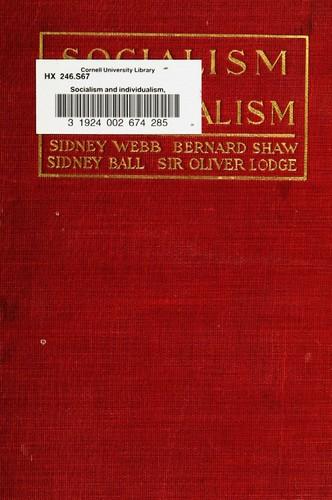
Socialism and Individualism
Sidney Webb, Sidney Ball & others, 1908
Reading Sidney Webb
- Which books by Sidney Webb can I find here?
This page currently brings together 48 catalogue works, including Fabian Essays in Socialism, Soviet communism, The History of Trade Unionism. This is a selection from our catalogue, not necessarily a complete bibliography. Open a work to compare editions and reviews.
Search this author- How are these books ordered?
The list uses catalogue reading-popularity data to put widely read works first. That is a discovery aid, not a claim that the first result is the author's best book or a recommended reading order.
- Where should I check a particular edition or translation?
Open the book's catalogue page and compare publisher, year, format, language and ISBN. Different editions of the same work can have different translators, introductions and page counts.