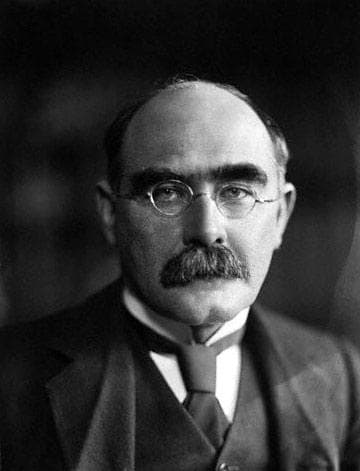
Author
Rudyard Kipling
1865–1936
Rudyard Kipling was a British author and poet. Born in Bombay, in British India, he is best known for his works of fiction "[The Jungle Book]" (1894). He is regarded as a major "innovator in the art of the short story"; his children's books are enduring classics of children's literature. ([Source])
Wikipedia. Bibliographic data from Open Library.
Books by Rudyard Kipling
Most-read first
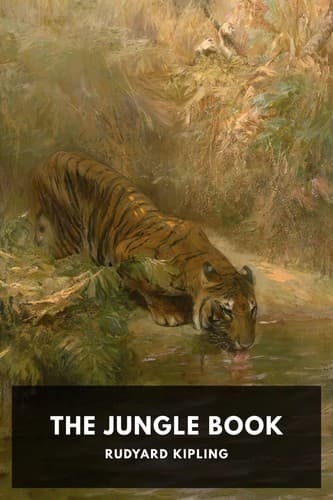
The Jungle Book
Rudyard Kipling, 1893
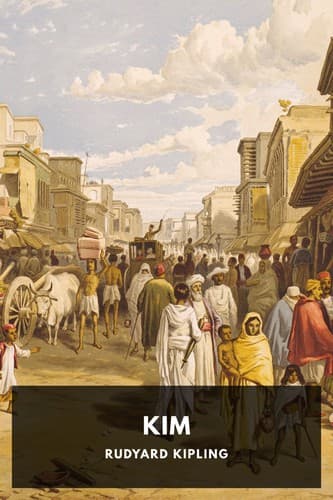
Kim
Rudyard Kipling, 1901
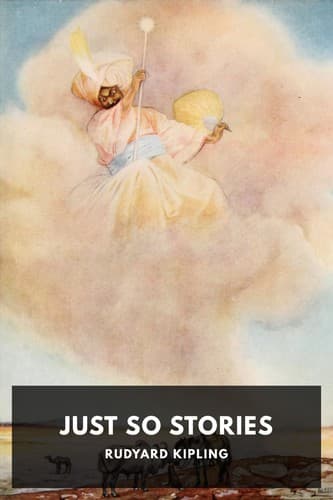
Just So Stories
Rudyard Kipling, 1922
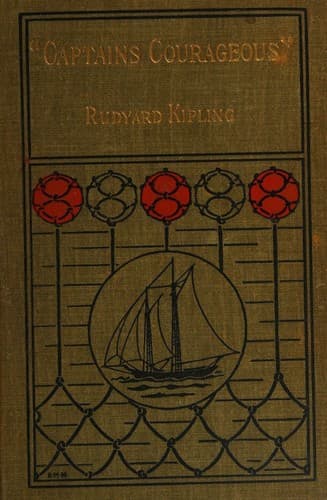
Captains Courageous
Rudyard Kipling, 1896
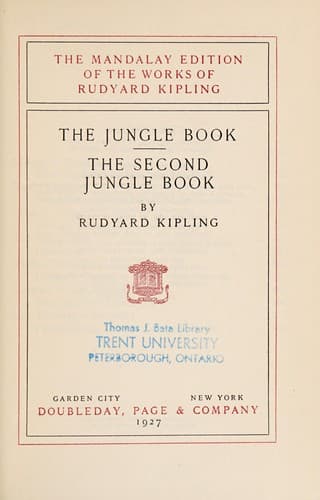
The Complete Jungle Book
Rudyard Kipling, 1925
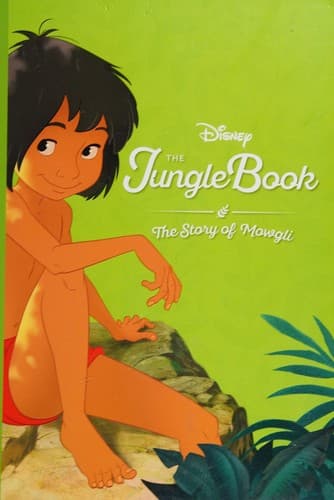
Disney's the Jungle Book
Rudyard Kipling, 1967
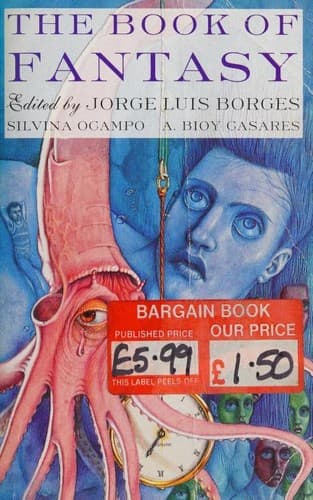
The Book of fantasy
Jorge Luis Borges, Silvina Ocampo & others, 1940
The Second Jungle Book
Rudyard Kipling, 1887
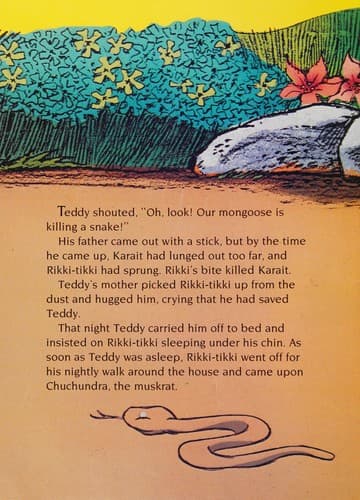
Rikki-Tikki-Tavi
Rudyard Kipling, 1924
Rewards and Fairies
Rudyard Kipling, 1910
Just so stories for little children. Stalky & Co.
Rudyard Kipling, 1902
Poems
Rudyard Kipling & Elliot, 1899
Plain Tales from the Hills
Rudyard Kipling, 1888
The Man Who Would Be King
Rudyard Kipling, 1898
Great Short Tales of Mystery and Terror
Editors of Readers Digest, Arthur Conan Doyle & others, 1982
Puck of Pook's Hill
Rudyard Kipling, 1900
Isaac Asimov Presents Tales of the Occult
Isaac Asimov, Martin H. Greenberg & others, 1989
Prentice Hall Literature -- Platinum
Sumner Braunstein, Chinua Achebe & others, 1989
Prentice Hall Literature - Timeless Voices, Timeless Themes - The British Tradition
Kate Kinsella, Kevin Feldman & others, 2002
Prentice Hall Literature--Copper
Lawrence E. Berliner, Arnold Adoff & others, 1991
The Light That Failed
Rudyard Kipling, 1890
Ghostly
Audrey Niffenegger, Neil Gaiman & others, 2015
Detection by Gaslight
Douglas G. Greene, Arthur Conan Doyle & others, 1997
Prentice Hall Literature--Timeless Voices, Timeless Themes--Copper Level
Kate Kinsella, Kevin Feldman & others, 2002
Prentice Hall Literature [Grade Ten]
Kevin Feldman, Chinua Achebe & others, 2007
The writings in prose and verse of Rudyard Kipling
Rudyard Kipling, 1897
The Kingfisher book of great boy stories
Michael Morpurgo, A. A. Milne & others, 2000
Stalky and Co
Rudyard Kipling, 1898
Actions and Reactions
Rudyard Kipling, 1909
The Day's Work
Rudyard Kipling, 1898
Departmental Ditties and Other Verses
Rudyard Kipling, 1886
Understanding fiction -- Second Edition
Cleanth Brooks, Robert Penn Warren & others, 1959
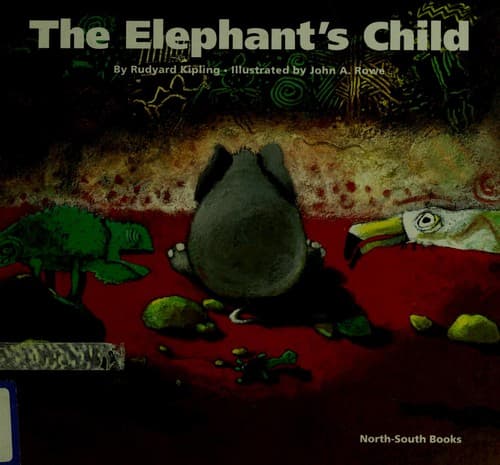
The Elephant's Child
Rudyard Kipling, 1900
Isaac Asimov Presents the Best Horror and Supernatural of the 19th Century
Isaac Asimov, Charles G. Waugh & others, 1983
Prentice Hall Literature -- Timeless Voices, Timeless Themes -- Bronze Level
Kate Kinsella, Aesop & others, 2002
Life's Handicap, Being Stories of Mine Own People
Rudyard Kipling, 1891
Prentice Hall Literature--Bronze
Sumner Braunstein, Teresa Palomo Acosta & others, 1991
If--
Rudyard Kipling, 1910
The Phantom Rickshaw and Other Ghost Stories
Rudyard Kipling, 2002
Classic Ghost Stories
Bill Bowers, H. G. Wells & others, 2003
The Best Ghost Stories
Daniel Defoe, Montague Rhodes James & others, 2006
Prentice Hall Literature--Timeless Voices, Timeless Themes--Platinum
Elaine Epstein, Jon Krakauer & others, 1999

Great Humorous Stories
P. G. Wodehouse, Ring Lardner & others, 1987
Prentice Hall Literature--The British Tradition
Andrew W. Conrad, Joseph Addison & others, 2000
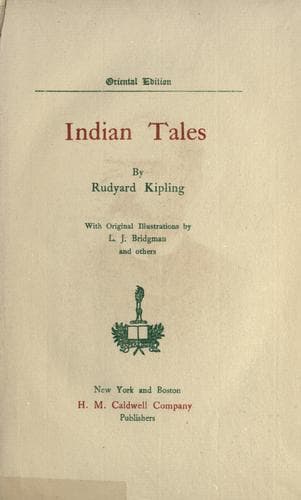
Indian Tales
Rudyard Kipling, 1890

Animal Friends and Adventures
Dhan Gopal Mukerji, Josef Kozisek & others, 1949
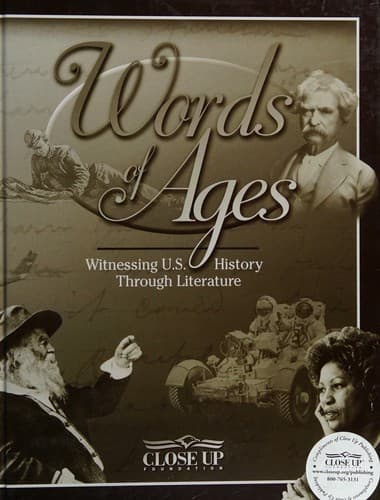
Words of Ages
Tiffany Farrell Larbalestier, John Smith & others, 2000
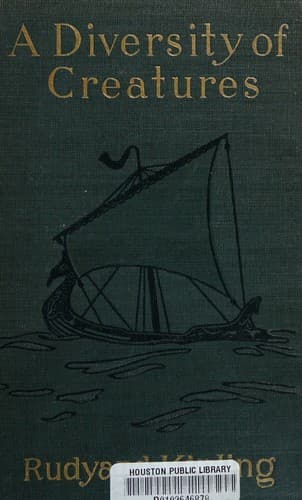
A Diversity of Creatures
Rudyard Kipling, 1917
Reading Rudyard Kipling
- Which books by Rudyard Kipling can I find here?
This page currently brings together 48 catalogue works, including The Jungle Book, Kim, Just So Stories. This is a selection from our catalogue, not necessarily a complete bibliography. Open a work to compare editions and reviews.
Search this author- How are these books ordered?
The list uses catalogue reading-popularity data to put widely read works first. That is a discovery aid, not a claim that the first result is the author's best book or a recommended reading order.
- Where should I check a particular edition or translation?
Open the book's catalogue page and compare publisher, year, format, language and ISBN. Different editions of the same work can have different translators, introductions and page counts.