
Author
Robert Sheckley
1928–2005
Robert Sheckley (July 16, 1928 – December 9, 2005) was an American writer. First published in the science-fiction magazines of the 1950s, his many quick-witted stories and novels were famously unpredictable, absurdist, and broadly comical.
Nominated for Hugo and Nebula Awards, Sheckley was named Author Emeritus by the Science Fiction and Fantasy Writers of America in 2001.
Wikipedia. Bibliographic data from Open Library.
Books by Robert Sheckley
Most-read first
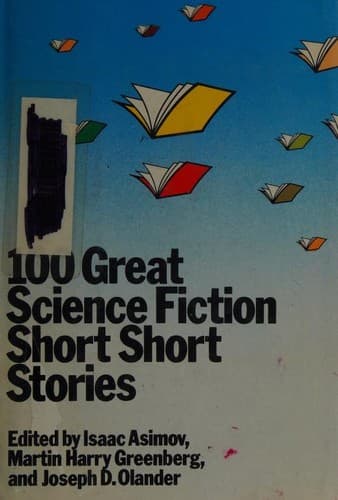
100 Great Science Fiction Short Short Stories
Isaac Asimov, Martin H. Greenberg & others, 1978
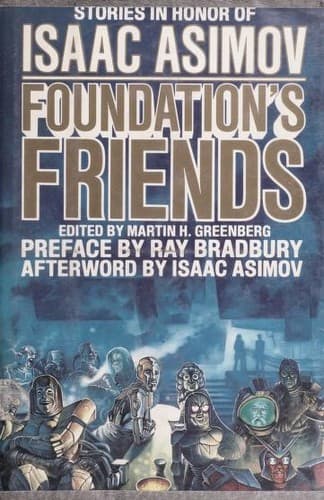
Foundation’s Friends
Martin H. Greenberg, Pamela Sargent & others, 1989
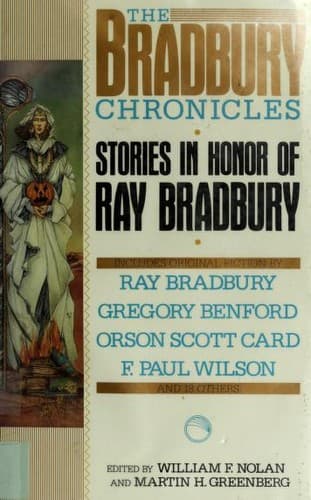
The Bradbury Chronicles
William F. Nolan, Martin H. Greenberg & others, 1991
Galaxy
Frederik Pohl, Martin H. Greenberg & others, 1980
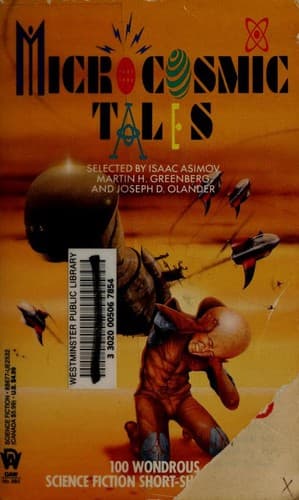
Microcosmic Tales
Isaac Asimov, Martin H. Greenberg & others, 1980
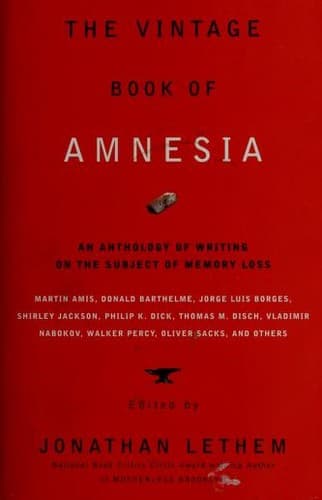
The Vintage Book of Amnesia
Jonathan Lethem, Thomas Palmer & others, 2000
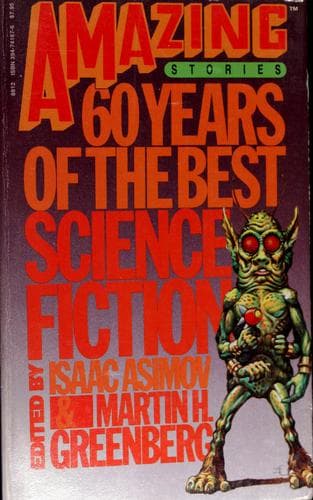
Amazing stories
Isaac Asimov, Martin H. Greenberg & others, 1985
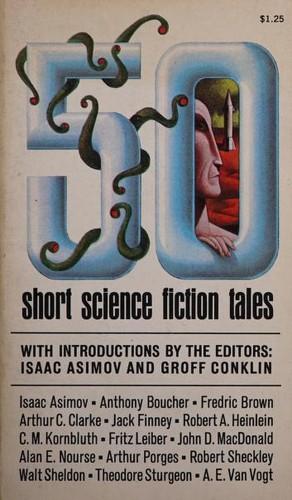
Fifty Short Science Fiction Tales
Isaac Asimov, Conklin & others, 1963
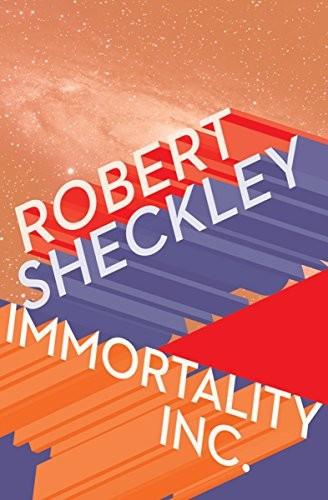
Immortality Inc
Robert Sheckley, 1991
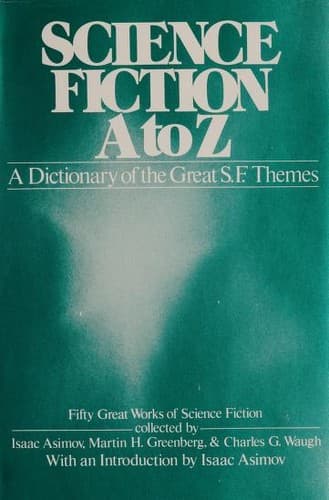
Science Fiction A to Z
Isaac Asimov, Martin H. Greenberg & others, 1982
Bring me the head of Prince Charming
Roger Zelazny & Robert Sheckley, 1991
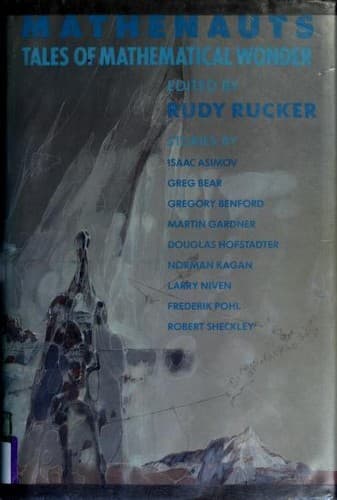
Mathenauts
Rudy Rucker, Isaac Asimov & others, 1987
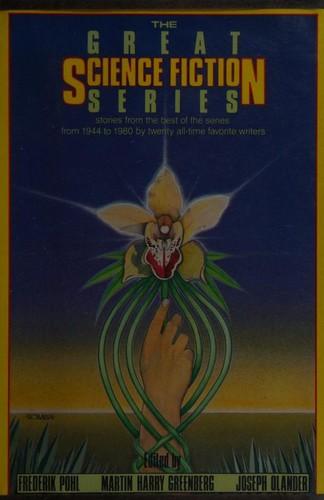
The Great Science Fiction Series
Frederik Pohl, Martin H. Greenberg & others, 1980
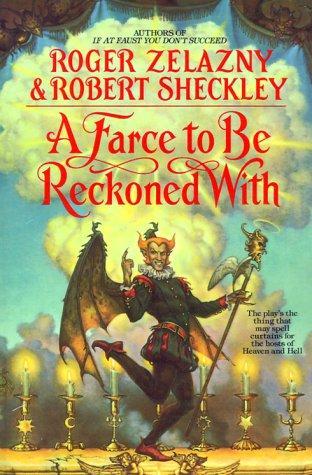
A Farce to be Reckoned With
Roger Zelazny & Robert Sheckley, 1995
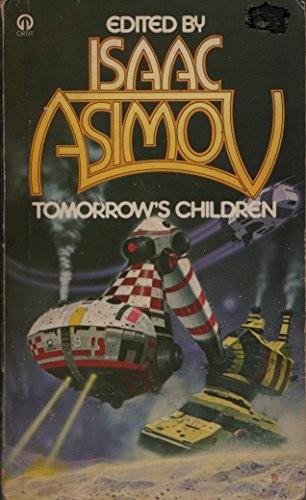
Tomorrow's children
Isaac Asimov, Robert Sheckley & others, 1966
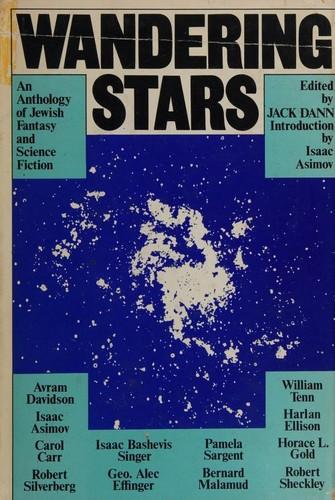
Wandering Stars
Jack Dann, Isaac Asimov & others, 1974
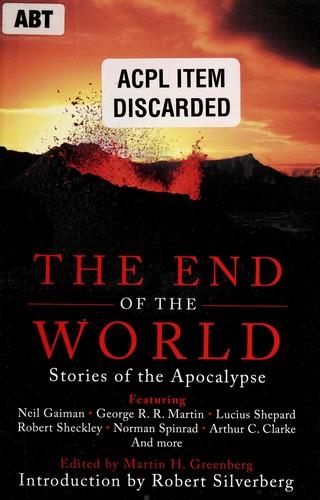
The End of the World -- stories of the apocalypse
Martin H. Greenberg, Neil Gaiman & others, 2010
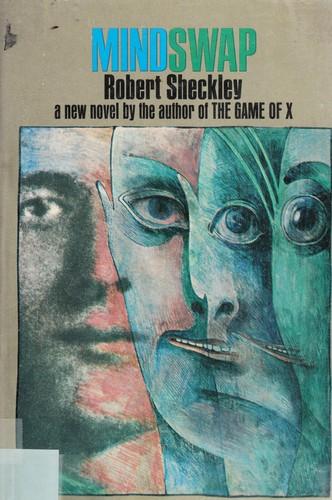
Mindswap
Robert Sheckley, 1966
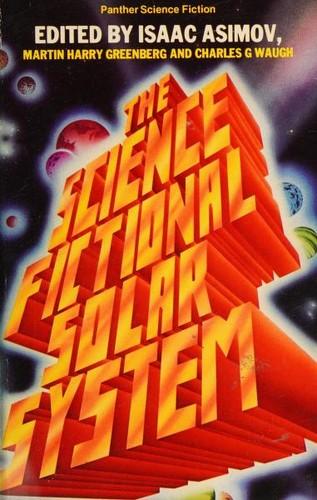
The Science Fictional Solar System
Isaac Asimov, Martin H. Greenberg & others, 1979
Yesterday's Tomorrows
Frederik Pohl, Ross Rocklynne & others, 1982
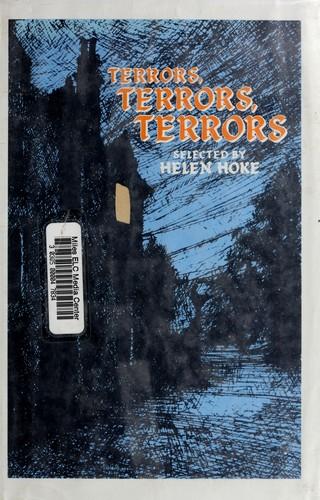
Terrors, Terrors, Terrors
Helen Hoke, Davis Grubb & others, 1979
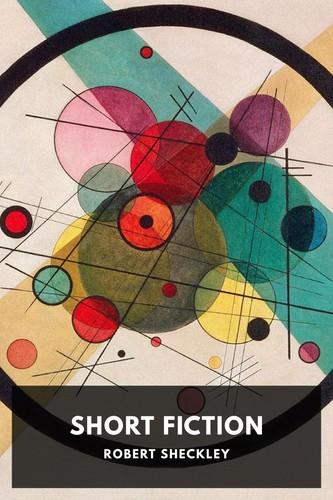
Short Fiction
Robert Sheckley, 2021
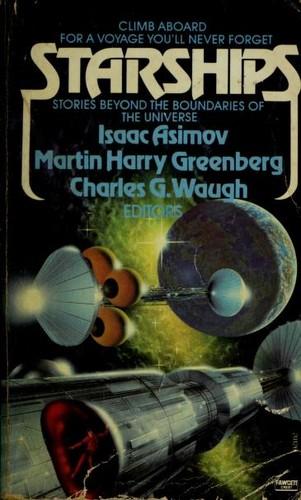
Starships
Isaac Asimov, Martin H. Greenberg & others, 1983
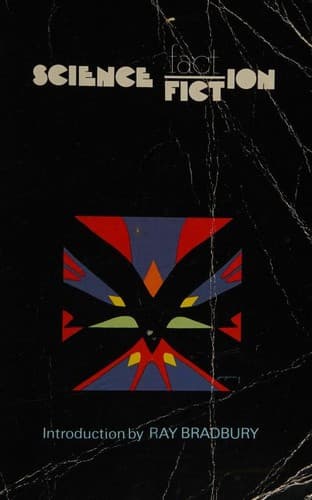
Science fact/fiction
Edmund J. Farrell, Robert Sheckley & others, 1974
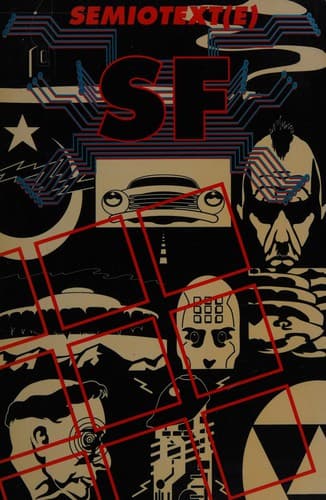
Semiotext(e) SF
Rudy Rucker, Peter Lamborn Wilson & others, 1989

The Future Makers
Peter Haining, Theodore Sturgeon & others, 1968
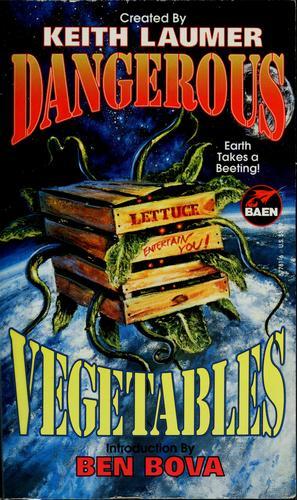
Dangerous vegetables
Ray Bradbury, Fred Saberhagen & others, 1998
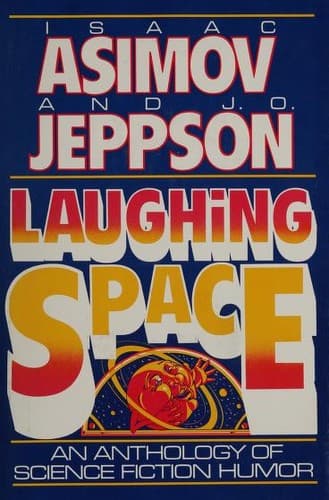
Laughing Space
Isaac Asimov, Janet Asimov & others, 1982
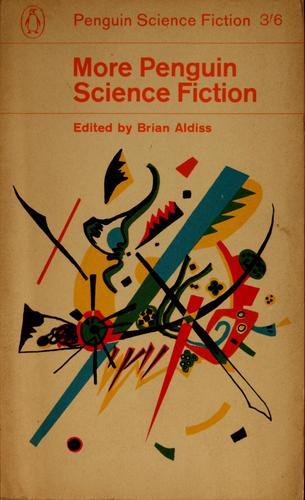
More Penguin Science Fiction
Brian W. Aldiss, Gordon R. Dickson & others, 1963
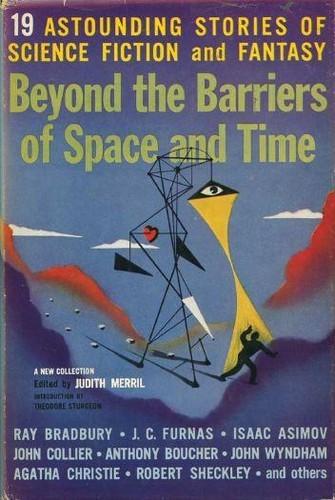
Beyond the Barriers of Space and Time
Judith Merril, Walter M. Miller Jr. & others, 1954
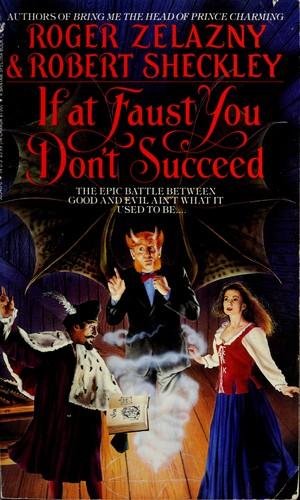
If at Faust You Don't Succeed
Robert Sheckley, 1993
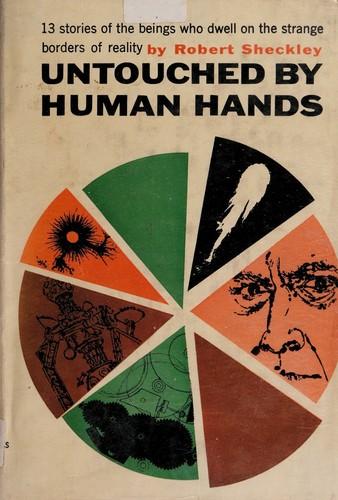
Untouched by Human Hands
Robert Sheckley, 1954
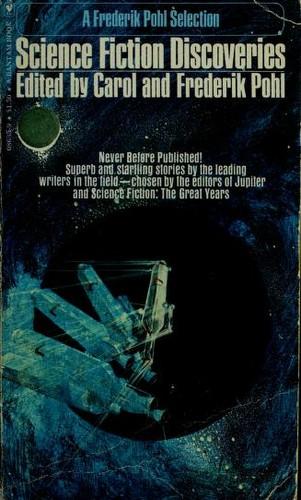
Science Fiction Discoveries
Carol Pohl, Frederik Pohl & others, 1976
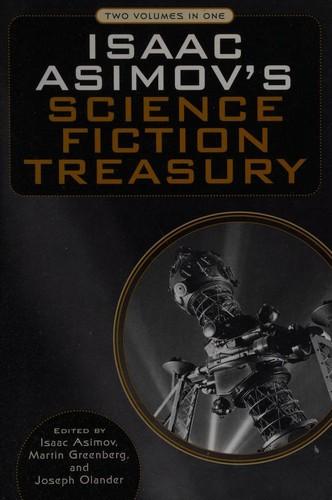
Isaac Asimov's Science Fiction Treasury (The Future in Question / Space Mail)
Isaac Asimov, Martin H. Greenberg & others, 1980
- Dimension MiraclesRobert Sheckley
Dimension Miracles
Robert Sheckley, 1979
Store of the Worlds
Robert Sheckley, 2012
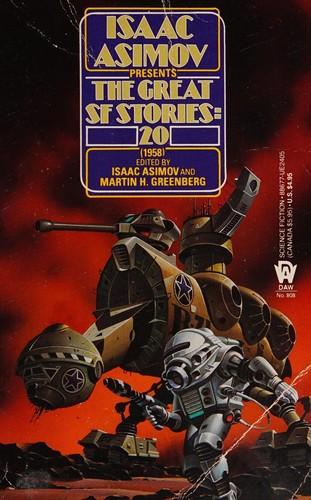
Isaac Asimov Presents The Great SF Stories #20 (1958)
Isaac Asimov, Martin H. Greenberg & others, 1990

The Status Civilization
Robert Sheckley, 1967
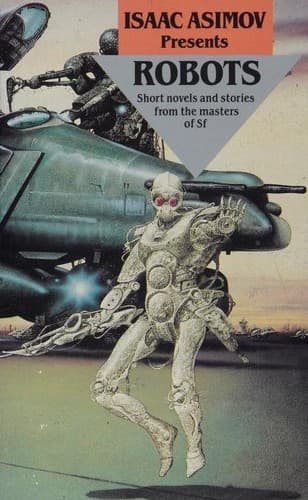
Robots
Isaac Asimov, Martin H. Greenberg & others, 1989
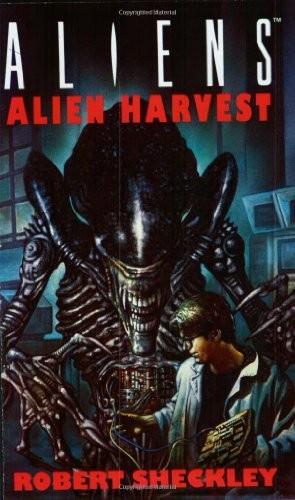
Alien harvest
Robert Sheckley, 1995
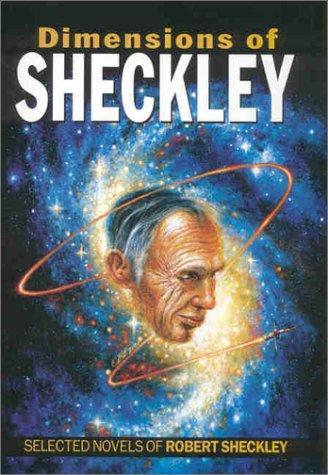
Dimensions of Sheckley
Robert Sheckley, 2002
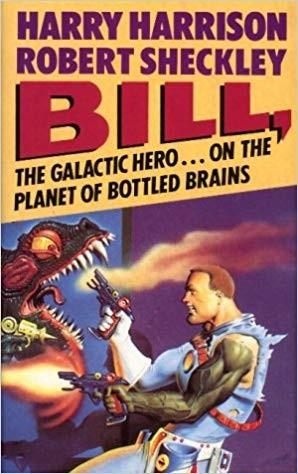
On the Planet of Bottled Brains
Harry Harrison & Robert Sheckley, 1990
Can You Feel Anything When I Do This?
Robert Sheckley, 1971
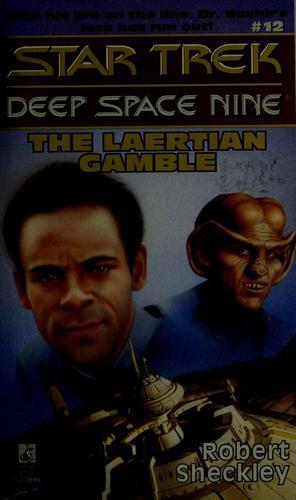
Star Trek Deep Space Nine - The Laertian Gamble
Robert Sheckley, 1995
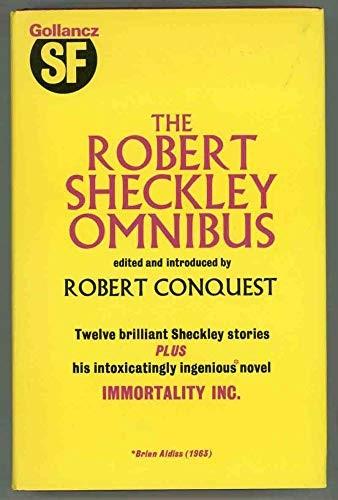
The Robert Sheckley omnibus
Robert Sheckley, 1973
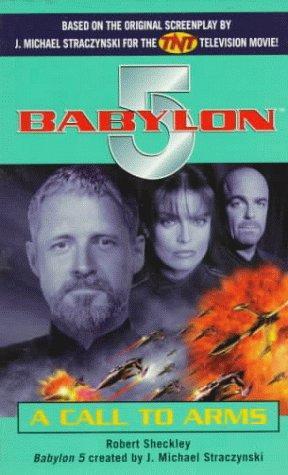
A Call to Arms (Babylon 5)
Robert Sheckley, 1998
"Babylon 5" (Babylon 5)
Robert Sheckley, 1999
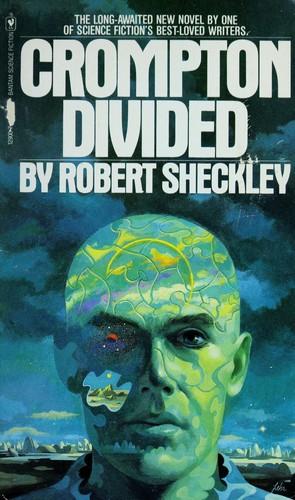
Crompton divided
Robert Sheckley, 1978
Reading Robert Sheckley
- Which books by Robert Sheckley can I find here?
This page currently brings together 48 catalogue works, including 100 Great Science Fiction Short Short Stories, Foundation’s Friends, The Bradbury Chronicles. This is a selection from our catalogue, not necessarily a complete bibliography. Open a work to compare editions and reviews.
Search this author- How are these books ordered?
The list uses catalogue reading-popularity data to put widely read works first. That is a discovery aid, not a claim that the first result is the author's best book or a recommended reading order.
- Where should I check a particular edition or translation?
Open the book's catalogue page and compare publisher, year, format, language and ISBN. Different editions of the same work can have different translators, introductions and page counts.