
Author
Robert Heilbroner
1919–2005
Robert L. Heilbroner was an American economist and historian of economic thought. The author of some two dozen books, Heilbroner was best known for The Worldly Philosophers: The Lives, Times and Ideas of the Great Economic Thinkers (1953), a survey of the lives and contributions of famous economists, notably Adam Smith, Karl Marx, and John Maynard Keynes.
Biography from Wikipedia (CC BY-SA). Bibliographic data from Open Library.
Books by Robert Heilbroner
Most-read first
The Worldly Philosophers
Robert L. Heilbroner, 1953

The Future as History
Robert L. Heilbroner, 1959
Economics explained
Robert L. Heilbroner & Lester C. Thurow, 1982
Twenty-first Century Capitalism
Robert L. Heilbroner, 1992

Teachings from the Worldly Philosophy
Robert L. Heilbroner, 1996
Understanding macroeconomics
Robert L. Heilbroner, 1965
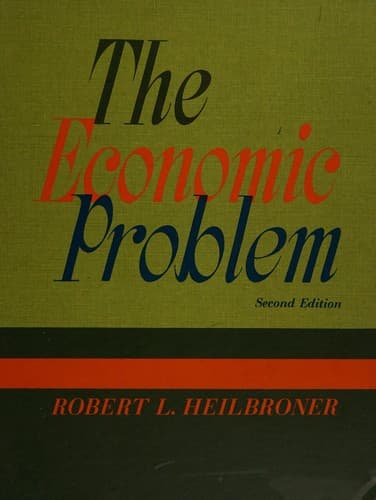
The Economic Problem
Robert L. Heilbroner, 1968
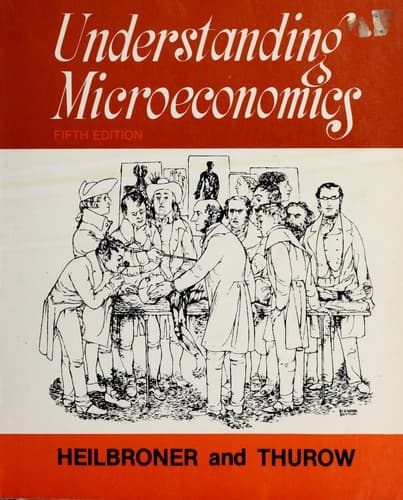
Understanding microeconomics
Robert L. Heilbroner, 1968
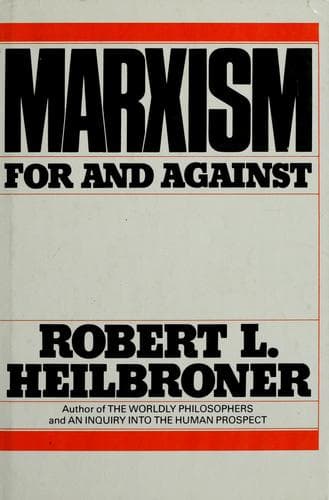
Marxism
Robert L. Heilbroner, 1980

The Making of Economic Society
Robert L. Heilbroner, 1962
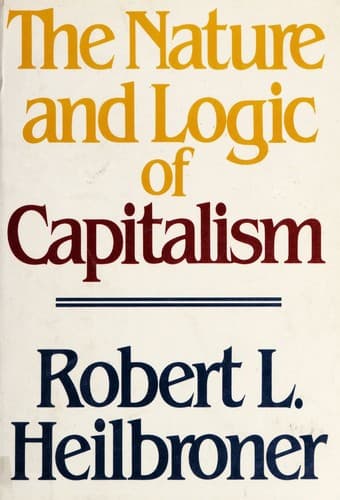
The Nature and Logic of Capitalism
Robert L. Heilbroner, 1985

The Great Ascent
Robert L. Heilbroner, 1963
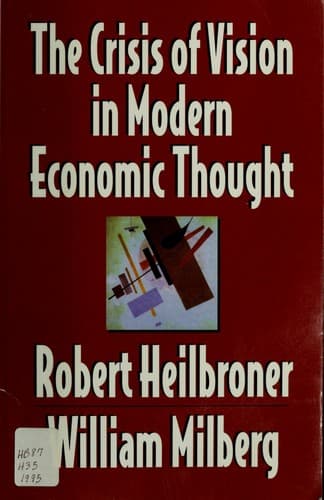
The Crisis of Vision in Modern Economic Thought
Robert L. Heilbroner & William S. Milberg, 1995

Behind the Veil of Economics
Robert L. Heilbroner, 1988
La formacion de la sociedad economica
Robert L. Heilbroner, 2000

Visions of the Future
Robert L. Heilbroner, 1995
An Inquiry into the Human Prospect, Updated and Reconsidered for the Nineteen Nineties
Robert L. Heilbroner, 1991

An Inquiry into the Human Prospect
Robert L. Heilbroner, 1974

The economic transformation of America
Robert L. Heilbroner, 1977
- The Act of WorkRobert L. Heilbroner
The Act of Work
Robert L. Heilbroner, 1985
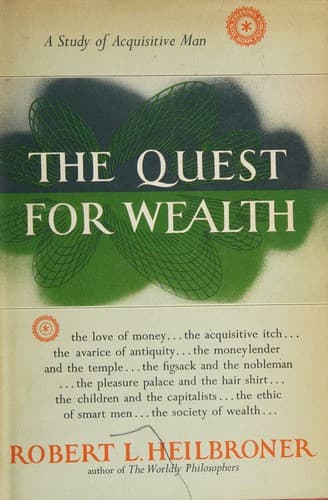
The Quest for Wealth
Robert L. Heilbroner, 1956
La evolución de la sociedad económica.
Robert L. Heilbroner & William Milberg, 1999
The limits of American capitalism
Robert L. Heilbroner, 1966
- EconomiaRobert L. Heilbroner
Economia
Robert L. Heilbroner, 1992
- Econ RelevanceRobert L. Heilbroner
Econ Relevance
Robert L. Heilbroner, 1998
- ChemRobert L. Heilbroner
Chem
Robert L. Heilbroner, 2005
- The economic problem. Instructor's manualRobert L. Heilbroner
The economic problem. Instructor's manual
Robert L. Heilbroner, 1981
- Student Companion, the Economic ProblemRobert L. Heilbroner
Student Companion, the Economic Problem
Robert L. Heilbroner, 1978
- Mkg Econ Soc and wsj 10wks PRobert L. Heilbroner
Mkg Econ Soc and wsj 10wks P
Robert L. Heilbroner, 2003
- Making of Econ Society and Fincl Times Supp PkRobert L. Heilbroner & Milberg
Making of Econ Society and Fincl Times Supp Pk
Robert L. Heilbroner & Milberg, 2002
- Makg Econ Soc and wsj10wk PkRobert L. Heilbroner
Makg Econ Soc and wsj10wk Pk
Robert L. Heilbroner, 2003
- Valuepack : Workplace CommunicationsGeorge J. Searles, Robert L. Heilbroner & others
Valuepack : Workplace Communications
George J. Searles, Robert L. Heilbroner & others, 2007
- Adam Smith Goes to MoscowWalter Adams, James W. Brock & others
Adam Smith Goes to Moscow
Walter Adams, James W. Brock & others, 2018
- Making of the Economic Society, The (Subscription)William Milberg & Robert L. Heilbroner
Making of the Economic Society, The (Subscription)
William Milberg & Robert L. Heilbroner, 2011
- Bundle : the Economic Transformation of America : 1600 to the Present, 4th + Major Problems in American Business History : Documents and Essays + Business Enterprise in American History, 3rd : The Economic Transformation of America : 1600 to the Present, 4th + Major Problems in American Business HistoryRobert L. Heilbroner & Alan Singer
Bundle : the Economic Transformation of America : 1600 to the Present, 4th + Major Problems in American Business History : Documents and Essays + Business Enterprise in American History, 3rd : The Economic Transformation of America : 1600 to the Present, 4th + Major Problems in American Business History
Robert L. Heilbroner & Alan Singer, 2005
Economic means and Social ends
Robert L. Heilbroner & Adolph Lowe, 1969

Wirtschaft - Das sollte man wissen.
Robert L. Heilbroner & Lester Thurow, 2002
- New Horizons in EconomicsRobert L. Heilbroner
New Horizons in Economics
Robert L. Heilbroner, 1964
In the Name of Profit
Robert L. Heilbroner, 1972
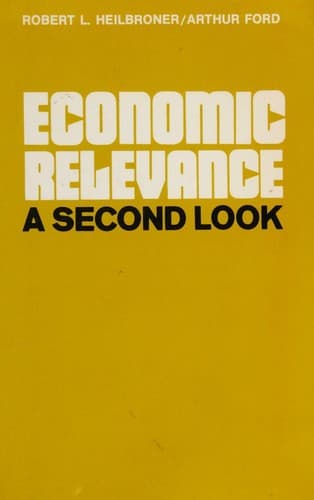
Economic relevance
Robert L. Heilbroner & Arthur M. Ford, 1976

A histo ria do pensamento econo mico
Robert L. Heilbroner, 1996
- Women and Minorities in BankingCouncil on Economic Priorities Staff, Tina L. Simcich & others
Women and Minorities in Banking
Council on Economic Priorities Staff, Tina L. Simcich & others, 1977
- Essential Adam SmithAdam Smith, Robert L. Heilbroner & others
Essential Adam Smith
Adam Smith, Robert L. Heilbroner & others, 1987
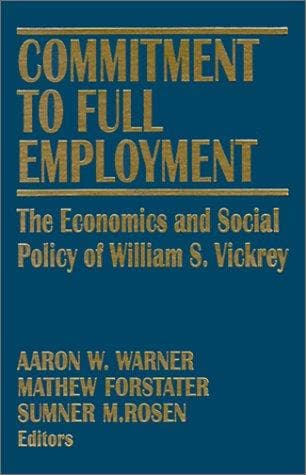
Commitment to Full Employment
Aaron W. Warner, Mathew Forstater & others, 2000

Corporate Social Policy
Paul A. London & Robert L. Heilbroner, 1975
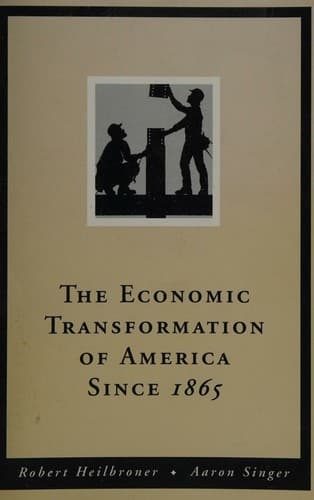
The economic transformation of America since 1865
Robert L. Heilbroner & Aaron Singer, 1994
- The economic transformation of America to 1865Robert L. Heilbroner & Aaron Singer
The economic transformation of America to 1865
Robert L. Heilbroner & Aaron Singer, 1994
- Forging a united EuropeRobert L. Heilbroner
Forging a united Europe
Robert L. Heilbroner, 1961
Reading Robert Heilbroner
- Which books by Robert Heilbroner can I find here?
This page currently brings together 48 catalogue works, including The Worldly Philosophers, The Future as History, Economics explained. This is a selection from our catalogue, not necessarily a complete bibliography. Open a work to compare editions and reviews.
Search this author- How are these books ordered?
The list uses catalogue reading-popularity data to put widely read works first. That is a discovery aid, not a claim that the first result is the author's best book or a recommended reading order.
- Where should I check a particular edition or translation?
Open the book's catalogue page and compare publisher, year, format, language and ISBN. Different editions of the same work can have different translators, introductions and page counts.