Author
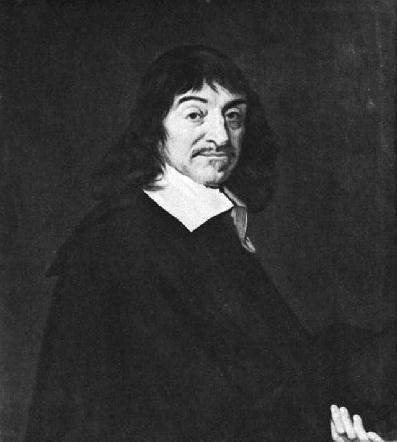
René Descartes
1596–1650
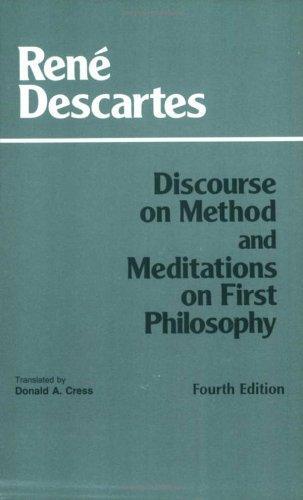
René Descartes, also known as Renatus Cartesius, was a French philosopher, mathematician, physicist, and writer who spent most of his adult life in the Dutch Republic. He has been dubbed the "Father of Modern Philosophy", and much of subsequent Western philosophy is a response to his writings, which continue to be studied closely to this day. In particular, his Meditations on First Philosophy continues to be a standard text at most university philosophy departments. Descartes' influence in mathematics is also apparent; the Cartesian coordinate system—allowing geometric shapes to be expressed in algebraic equations—was named after him. He is credited as the father of analytical geometry. Descartes was also one of the key figures in the Scientific Revolution.
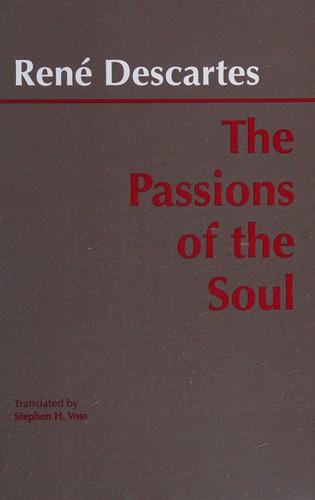
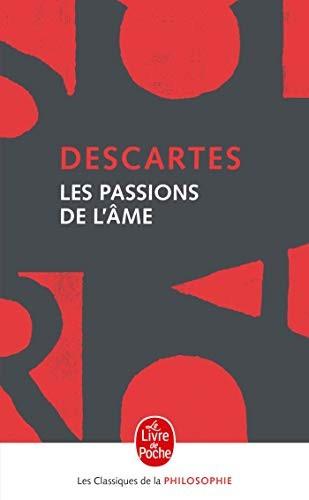
Descartes frequently sets his views apart from those of his predecessors. In the opening section of the Passions of the Soul, a treatise on the Early Modern version of what are now commonly called emotions, Descartes goes so far as to assert that he will write on this topic "as if no one had written on these matters before". Many elements of his philosophy have precedents in late Aristotelianism, the revived Stoicism of the 16th century, or in earlier philosophers like St. Augustine. In his natural philosophy, he differs from the Schools on two major points: First, he rejects the analysis of corporeal substance into matter and form; second, he rejects any appeal to ends—divine or natural—in explaining natural phenomena. In his theology, he insists on the absolute freedom of God’s act of creation.
Wikipedia. Bibliographic data from Open Library.
Books by René Descartes
Most-read first
Reading René Descartes
- Which books by René Descartes can I find here?
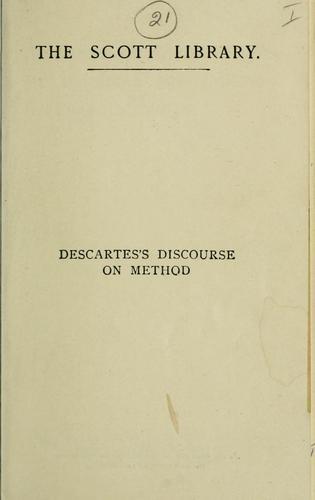
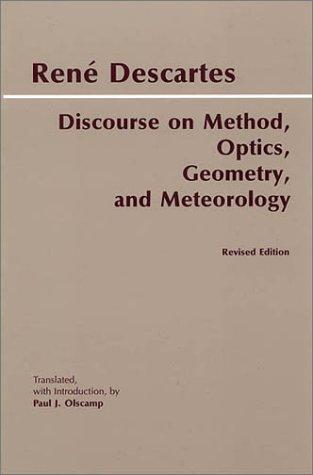
This page currently brings together 48 catalogue works, including Discourse on the Method of Rightly Conducting the Reason, and Seeking Truth in the Sciences., Meditations on First Philosophy, Principia philosophiae. This is a selection from our catalogue, not necessarily a complete bibliography. Open a work to compare editions and reviews.
Search this author- How are these books ordered?
The list uses catalogue reading-popularity data to put widely read works first. That is a discovery aid, not a claim that the first result is the author's best book or a recommended reading order.
- Where should I check a particular edition or translation?
Open the book's catalogue page and compare publisher, year, format, language and ISBN. Different editions of the same work can have different translators, introductions and page counts.