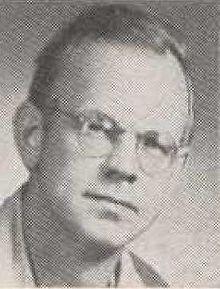
Author
Raymond Z. Gallun
1911–1994
Raymond Zinke Gallun was an American science fiction writer. Gallun (rhymes with "balloon") was born in Beaver Dam, Wisconsin. He left college after one year and travelled in Europe, living a drifter's existence, working a multitude of jobs around the world in the years leading up to World War II.
He was among the stalwart group of early sci-fi pulp writers who popularized the genre. He sold many popular stories to pulp magazines in the 1930s. His first book, People Minus X, was published in 1957 by Simon & Schuster, followed by The Planet Strappers in 1961 (Pyramid). Gallun was honored with the I-CON Lifetime Achievement Award in 1985 at I-CON IV; the award was later renamed The Raymond Z. Gallun Award. A posthumous autobiography, Starclimber, authored in part by Gallun and completed by Jeffrey M. Elliot, was published in September 2007.
Bibliographic data from Open Library.
Books by Raymond Z. Gallun
Most-read first

Before the Golden Age
Isaac Asimov, Edmond Hamilton & others, 1974
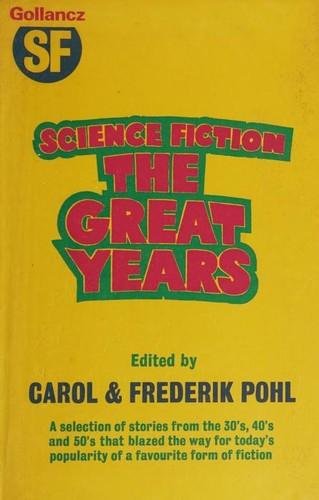
Science Fiction. The Great Years
Carol Pohl, Frederik Pohl & others, 1973
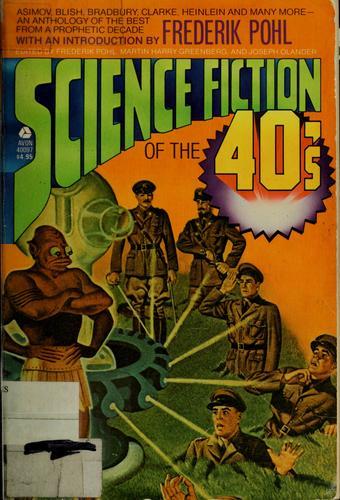
Science Fiction of the forties
Frederik Pohl, Martin H. Greenberg & others, 1978
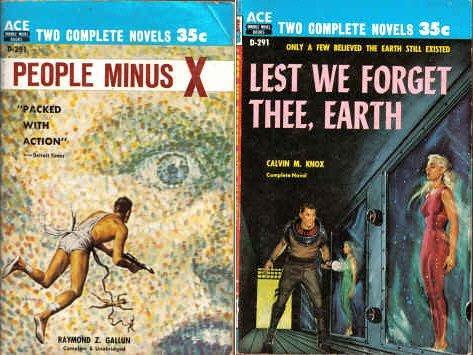
People Minus X / Lest We Forget Thee, Earth
Raymond Z. Gallun & Robert Silverberg, 1958
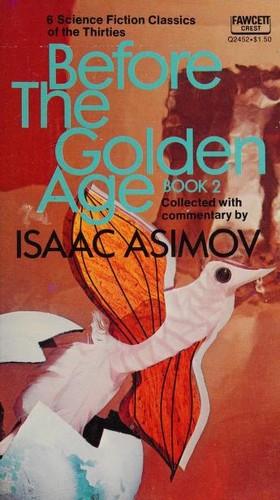
Before the Golden Age, Book 2
Isaac Asimov, Laurence Manning & others, 1975
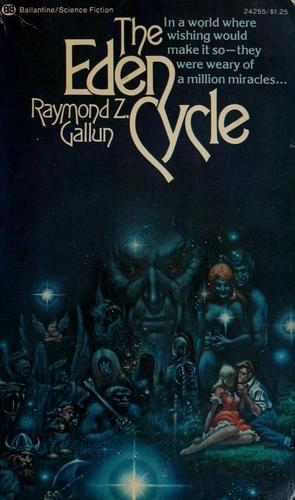
The Eden Cycle
Raymond Z. Gallun, 1974
- The Best of Raymond Z. GallunRaymond Z. Gallun
The Best of Raymond Z. Gallun
Raymond Z. Gallun, 1978
Bioblast
Raymond Z. Gallun, 1985
- SkyclimberRaymond Z. Gallun
Skyclimber
Raymond Z. Gallun, 1981
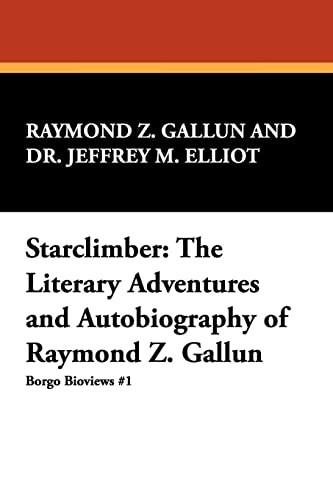
Starclimber
Raymond Z. Gallun, 1990
- People Minus XRaymond Z. Gallun
People Minus X
Raymond Z. Gallun, 1957
- 5 Unearthly VisionsConklin, Groff & others
5 Unearthly Visions
Conklin, Groff & others
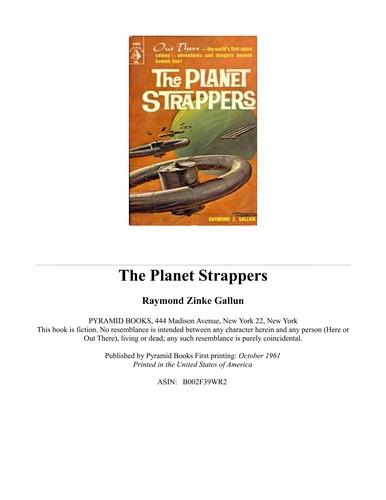
Planet strappers
Raymond Z. Gallun, 2008
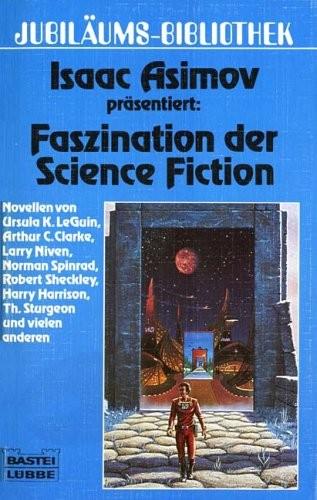
Faszination der Science Fiction
Isaac Asimov, Ben Bova & others, 1985
Reading Raymond Z. Gallun
- Which books by Raymond Z. Gallun can I find here?
This page currently brings together 14 catalogue works, including Before the Golden Age, Science Fiction. The Great Years, Science Fiction of the forties. This is a selection from our catalogue, not necessarily a complete bibliography. Open a work to compare editions and reviews.
Search this author- How are these books ordered?
The list uses catalogue reading-popularity data to put widely read works first. That is a discovery aid, not a claim that the first result is the author's best book or a recommended reading order.
- Where should I check a particular edition or translation?
Open the book's catalogue page and compare publisher, year, format, language and ISBN. Different editions of the same work can have different translators, introductions and page counts.