Author
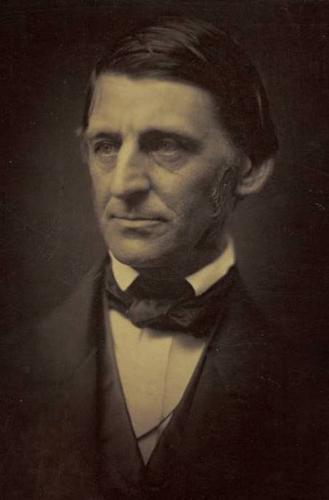
Ralph Waldo Emerson
1803–1882
Ralph Waldo Emerson was an American philosopher, essayist, and poet, best remembered for leading the Transcendentalist movement of the mid-19th century. His teachings directly influenced the growing New Thought movement of the mid-1800s. He was seen as a champion of individualism and a prescient critic of the countervailing pressures of society.
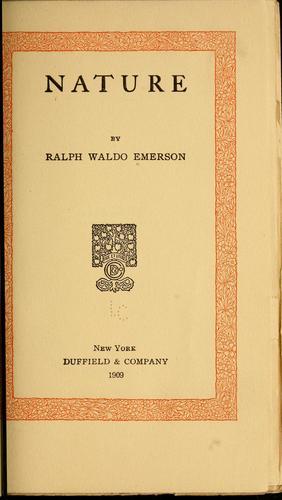
Emerson gradually moved away from the religious and social beliefs of his contemporaries, formulating and expressing the philosophy of Transcendentalism in his 1836 essay, Nature. As a result of this ground-breaking work he gave a speech entitled The American Scholar in 1837, which Oliver Wendell Holmes, Sr. considered to be America's "Intellectual Declaration of Independence". Considered one of the great orators of the time, Emerson's enthusiasm and respect for his audience enraptured crowds. His support for abolitionism late in life created controversy, and at times he was subject to abuse from crowds while speaking on the topic. When asked to sum up his work, he said his central doctrine was "the infinitude of the private man."
Wikipedia. Bibliographic data from Open Library.
Books by Ralph Waldo Emerson
Most-read first
Reading Ralph Waldo Emerson
- Which books by Ralph Waldo Emerson can I find here?
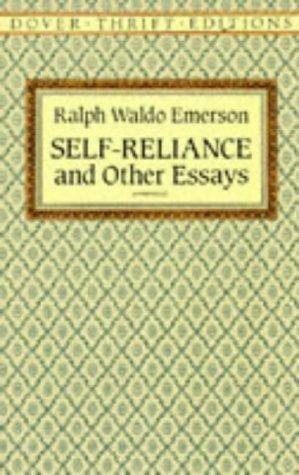
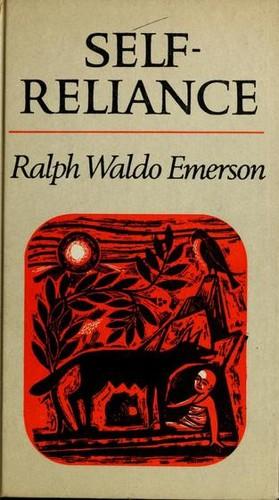
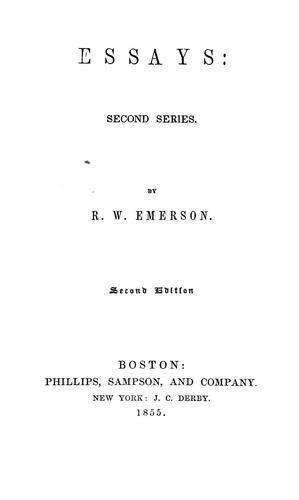
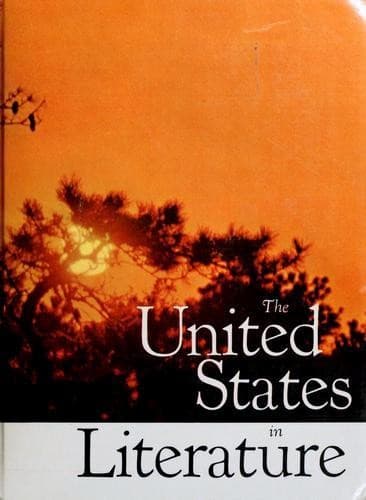
This page currently brings together 48 catalogue works, including Self-reliance, Essays, The United States in Literature [with three long stories] -- Seventh Edition. This is a selection from our catalogue, not necessarily a complete bibliography. Open a work to compare editions and reviews.
Search this author- How are these books ordered?
The list uses catalogue reading-popularity data to put widely read works first. That is a discovery aid, not a claim that the first result is the author's best book or a recommended reading order.
- Where should I check a particular edition or translation?
Open the book's catalogue page and compare publisher, year, format, language and ISBN. Different editions of the same work can have different translators, introductions and page counts.