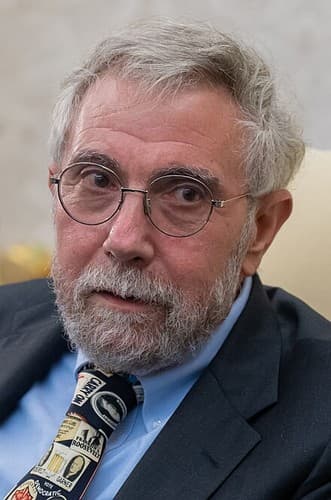
Author
Paul Krugman
Born 1953
Paul Robin Krugman (/ˈkrʊɡmən/ ⓘ KRUUG-mən; born February 28, 1953) is an American economist who is the Distinguished Professor of Economics at the Graduate Center of the City University of New York and a columnist for The New York Times. In 2008, Krugman was the sole winner of the Nobel Memorial Prize in Economic Sciences for his contributions to new trade theory and new economic geography. The Prize Committee cited Krugman's work explaining the patterns of international trade and the geographic distribution of economic activity, by examining the effects of economies of scale and of consumer preferences for diverse goods and services. -English Wikipedia
Wikipedia. Bibliographic data from Open Library.
Books by Paul Krugman
Most-read first
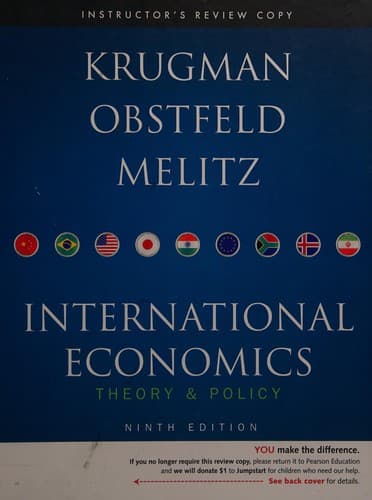
International economics
Paul R. Krugman, Maurice Obstfeld & others, 1987
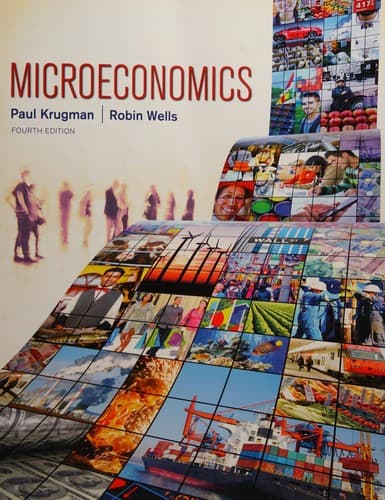
Microeconomics
Paul R. Krugman, Robin Wells & others, 2004
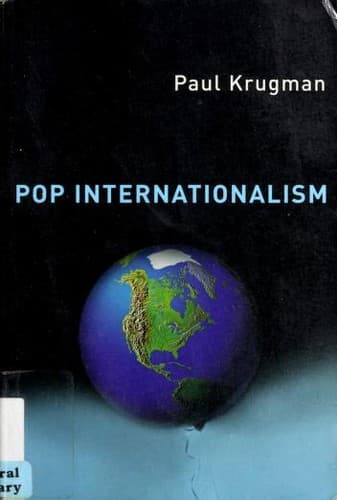
Pop internationalism
Paul R. Krugman, 1996
Macroeconomics
Paul R. Krugman, Robin Wells & others, 2006
The Conscience of a Liberal
Paul R. Krugman, 2006
Peddling prosperity
Paul R. Krugman, 1994
The Return of Depression Economics
Paul R. Krugman, 1999
The Age of Diminished Expectations
Paul R. Krugman, 1990
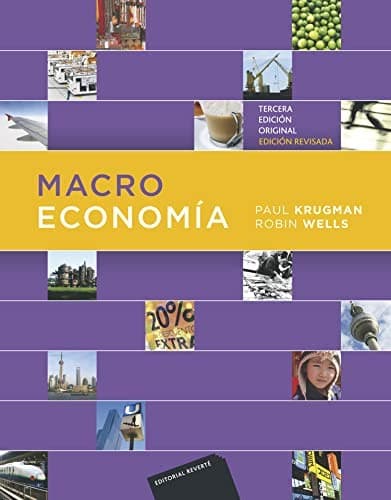
Macroeconomía
Robin Wells & Paul R. Krugman, 2014
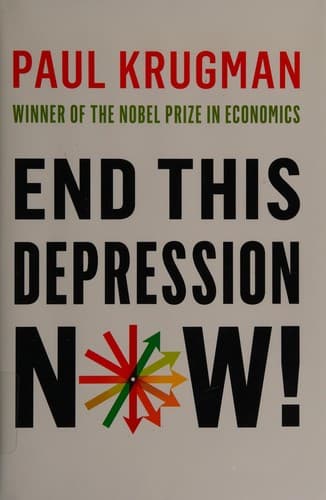
End This Depression Now!
Paul R. Krugman, 2012
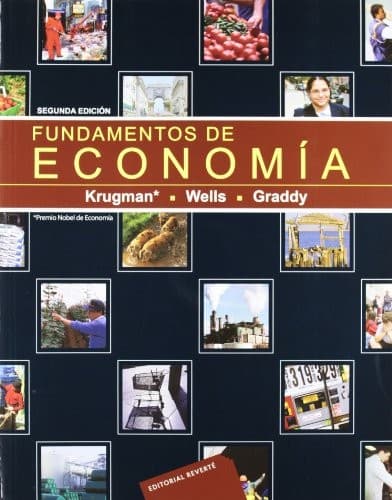
Fundamentos de economía
Paul R. Krugman, García Pardo & others, 2012
Geography and Trade
Paul R. Krugman, 1991
The Great Unraveling
Paul R. Krugman, 2003
The Accidental Theorist
Paul R. Krugman, 1998
Market Structure and Foreign Trade
Elhanan Helpman & Paul R. Krugman, 1985
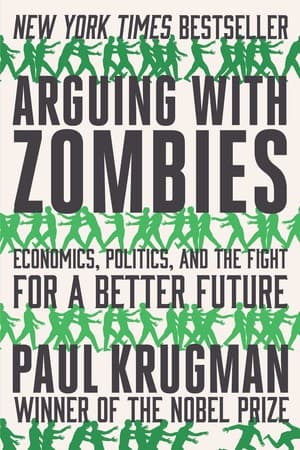
Arguing with Zombies
Paul R. Krugman, 2020
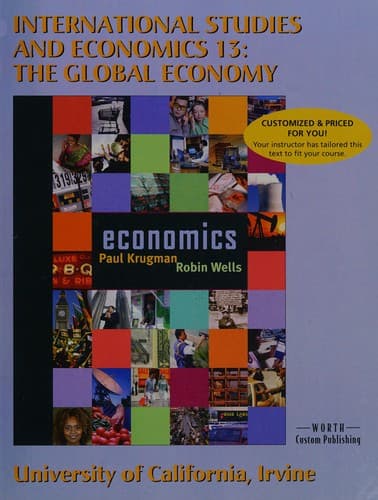
ECONOMICS
Paul R. Krugman & Robin Wells, 2005
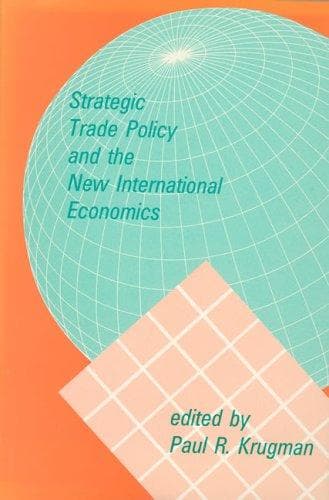
Strategic Trade Policy and the New International Economics
Paul R. Krugman, 1986
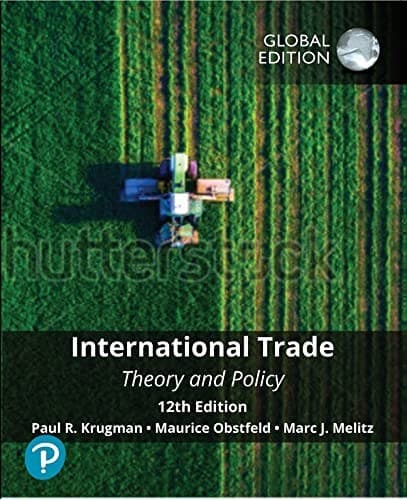
International Trade
Paul R. Krugman, Maurice Obstfeld & others, 2014
- L'essenziale di economiaPaul R. Krugman & Robin Wells
L'essenziale di economia
Paul R. Krugman & Robin Wells, 2018
A Country Is Not a Company
Paul R. Krugman, 2009
Development, Geography, and Economic Theory
Paul R. Krugman, 1995

Rethinking International Trade
Paul R. Krugman, 1990
International Finance
Paul R. Krugman, Maurice Obstfeld & others, 2014
- Microeconomics Paul Krugman, Robin WellsPaul R. Krugman
Microeconomics Paul Krugman, Robin Wells
Paul R. Krugman, 2009
EC 201/202 Clark College - Economics, Fourth Editiion
Paul R. Krugman & Robin Wells, 2015
Fiscal Policy, Interest Rates, and Exchange Rates
Paul R. Krugman, 1985
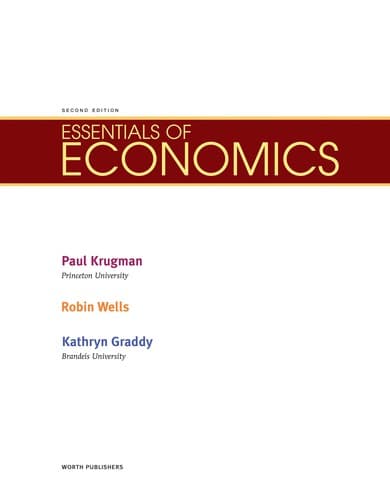
Essentials of Economics
Paul R. Krugman, Robin Wells & others, 2010
- Pearson Mylab Economics with Pearson EText -- Instant Access -- for International FinancePaul R. Krugman, Maurice Obstfeld & others
Pearson Mylab Economics with Pearson EText -- Instant Access -- for International Finance
Paul R. Krugman, Maurice Obstfeld & others, 2022
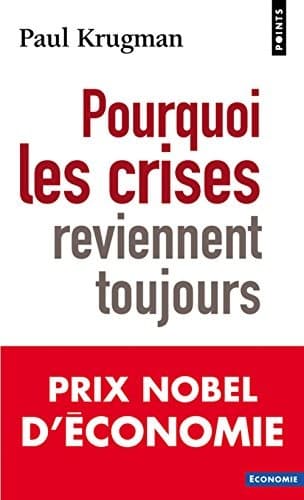
Pourquoi Les Crises Reviennent Toujours (French Edition)
Paul R. Krugman, 2012
Exchange-rate instability
Paul R. Krugman, 1989
Internacionalismo Pop
Paul R. Krugman, 1999
What Do We Need to Know About the International Monetary System?
Paul R. Krugman, 1993
- International Trade - Theory and PolicyPaul R. Krugman, Maurice Obstfeld & others
International Trade - Theory and Policy
Paul R. Krugman, Maurice Obstfeld & others, 2014
Economía internacional
Paul R. Krugman, 2012
Competitiveness
Paul R. Krugman & Foreign Affairs Committee, 1997
Economics in Modules
Paul R. Krugman, Robin Wells & others, 2011
Macroeconomics in Modules & SaplingPlus for Macroeconomics in Modules
Paul R. Krugman & Robin Wells, 2018
- Microeconomics, 3e & 6 Month Econportal Access for Microeconomics and MacroeconomicsPaul R. Krugman & Robin Wells
Microeconomics, 3e & 6 Month Econportal Access for Microeconomics and Macroeconomics
Paul R. Krugman & Robin Wells, 2012
Internationale Wirtschaft
Paul R. Krugman, Maurice Obstfeld & others, 2004
El Internacionalismo Moderno
Paul R. Krugman, 1997
Trade with Japan
Paul R. Krugman, 1991
- International Economics, Student Value Edition plus MyEconLab with Pearson eText Student Access Code Card PackagePaul R. Krugman, Maurice Obstfeld & others
International Economics, Student Value Edition plus MyEconLab with Pearson eText Student Access Code Card Package
Paul R. Krugman, Maurice Obstfeld & others, 2011
Velikai͡a lozhʹ
Paul R. Krugman, 2004
ECONOMIE INTERNATIONALE 10E EDITION
Paul R. Krugman, 2015
- Achieve for MicroeconomicsPaul R. Krugman & Robin Wells
Achieve for Microeconomics
Paul R. Krugman & Robin Wells, 2021
Mikro İktisat
Paul R. Krugman & Robin Wells, 2009
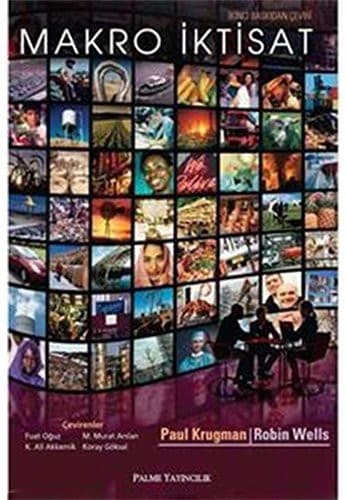
Makro İktisat
Paul R. Krugman & Robin Wells, 2010
Reading Paul Krugman
- Which books by Paul Krugman can I find here?
This page currently brings together 48 catalogue works, including International economics, Microeconomics, Pop internationalism. This is a selection from our catalogue, not necessarily a complete bibliography. Open a work to compare editions and reviews.
Search this author- How are these books ordered?
The list uses catalogue reading-popularity data to put widely read works first. That is a discovery aid, not a claim that the first result is the author's best book or a recommended reading order.
- Where should I check a particular edition or translation?
Open the book's catalogue page and compare publisher, year, format, language and ISBN. Different editions of the same work can have different translators, introductions and page counts.