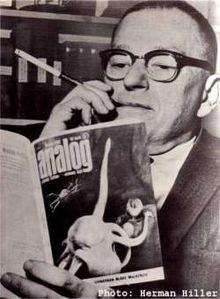
Author
John W. Campbell
1910–1971
John Wood Campbell Jr. was an American science fiction writer and editor. As editor of Astounding Science Fiction from late 1937 until his death, he is generally credited with shaping the Golden Age of Science Fiction. Isaac Asimov called Campbell "the most powerful force in science fiction ever, and for the first ten years of his editorship he dominated the field completely."
As a writer, Campbell published super-science space opera under his own name and moody stories under his primary and most famous pseudonym, Don A. Stuart. Campbell also wrote under the pen names Karl Van Kampen and Arthur McCann. - Wikipedia
Wikipedia. Bibliographic data from Open Library.
Books by John W. Campbell
Most-read first
Who Goes There?
John W. Campbell & William F. Nolan, 1948

The Science Fiction Hall of Fame -- Volume Two A
Ben Bova, H. G. Wells & others, 1973
Before the Golden Age
Isaac Asimov, Edmond Hamilton & others, 1974
Where Do We Go from Here?
Isaac Asimov, Stanley G. Weinbaum & others, 1971
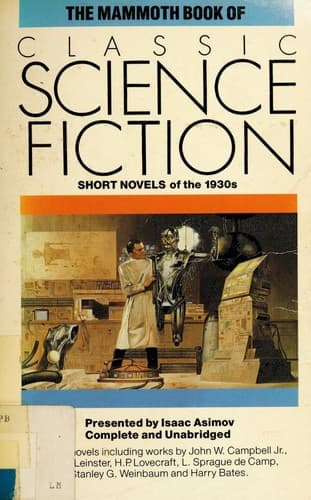
The Mammoth Book of Classic Science Fiction
Isaac Asimov, Charles G. Waugh & others, 1988
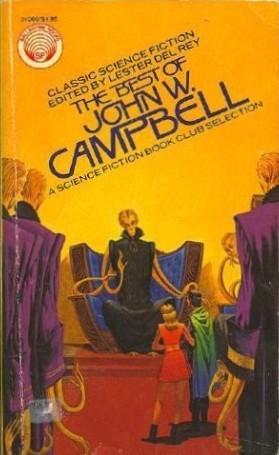
The Best of John W. Campbell
John W. Campbell, 1973
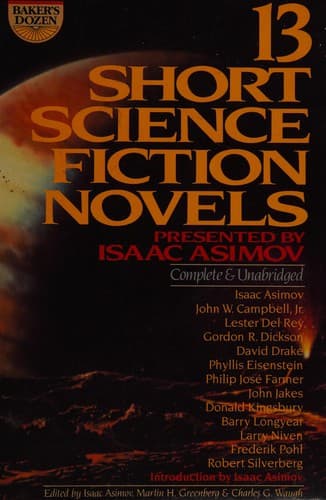
Baker's Dozen -- 13 Short Science Fiction Novels
Charles G. Waugh, John W. Campbell & others, 1985
The Science Fiction Roll of Honor
Frederik Pohl, Poul Anderson & others, 1975
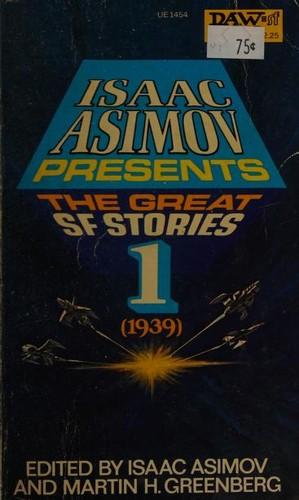
Isaac Asimov presents the great science fiction stories -- Volume 1, 1939
Isaac Asimov, Martin H. Greenberg & others, 1979
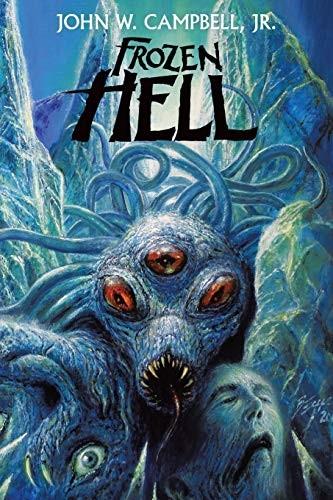
Frozen Hell
John W. Campbell, 2019
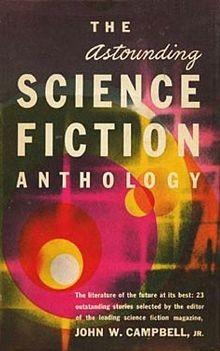
The Astounding Science Fiction Anthology
John W. Campbell, 1952
F. Scott Fitzgerald's the great Gatsby
John W. Campbell, 1984
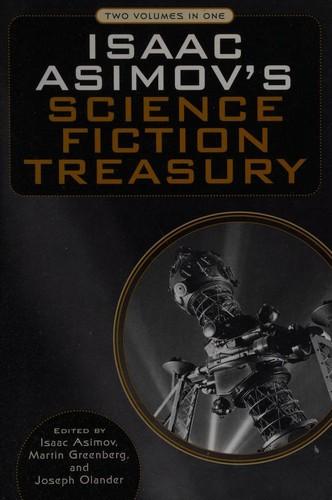
Isaac Asimov's Science Fiction Treasury (The Future in Question / Space Mail)
Isaac Asimov, Martin H. Greenberg & others, 1980
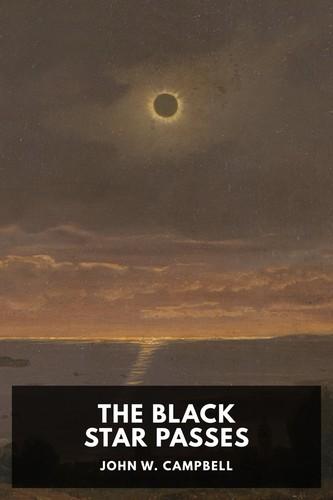
The Black Star Passes
John W. Campbell, 1953
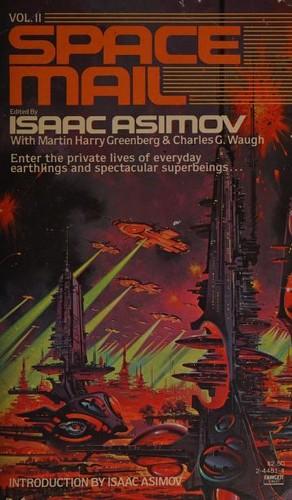
Space Mail, Volume II
Isaac Asimov, Martin H. Greenberg & others, 1982
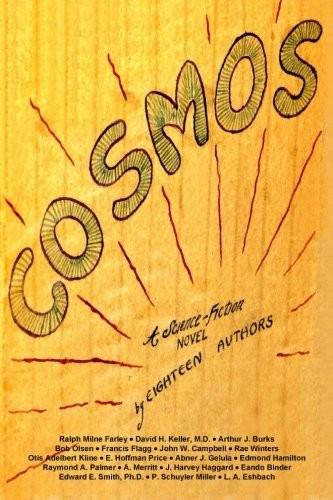
Cosmos
Ralph Milne Farley, David Henry Keller & others, 2015
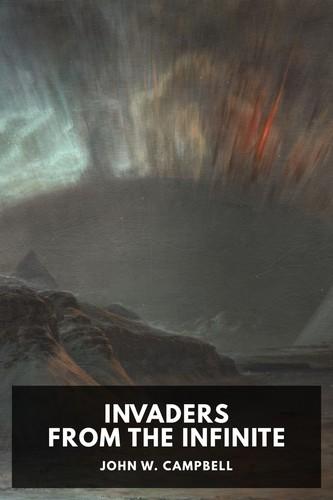
Invaders from the Infinite
John W. Campbell, Campbell & others, 1961
Analog 6
John W. Campbell, 1968
The Book of Great Books
John W. Campbell, 2000
John W. Campbell Anthology
John W. Campbell, 1973
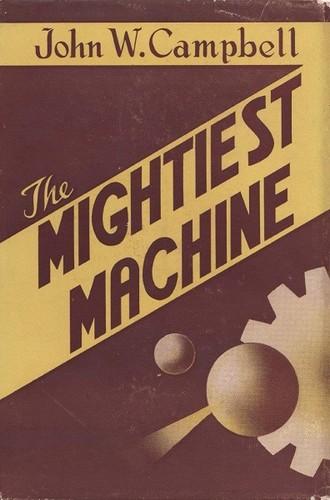
The Mightiest Machine
John W. Campbell, 1947
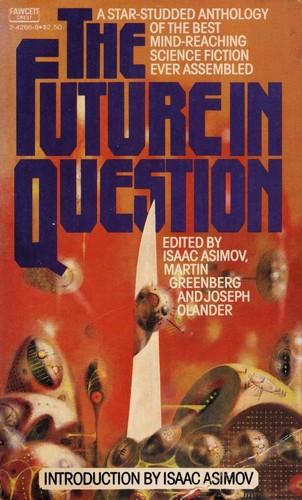
The Future in Question
Isaac Asimov, Martin H. Greenberg & others, 1980
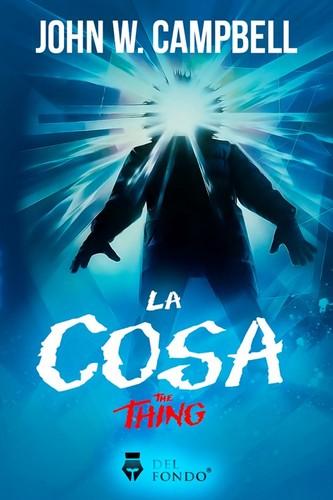
La cosa
John W. Campbell, 2023
Collected Editorials from Analog
John W. Campbell, 1966

Prologue to Analog
John W. Campbell, 1962
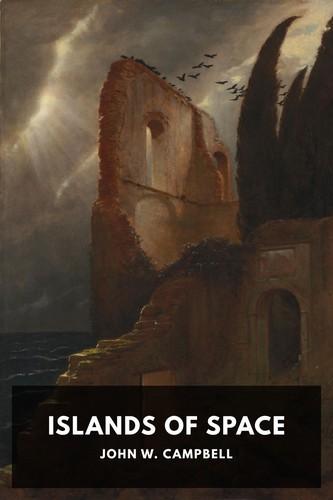
Islands of Space
John W. Campbell, Campbell & others, 1956
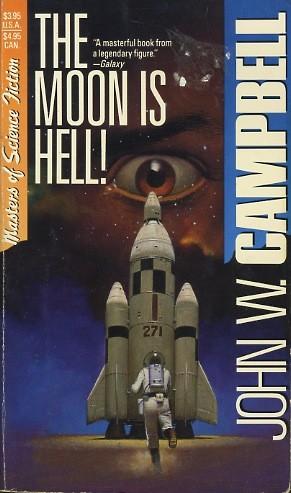
The Moon Is Hell!
John W. Campbell, 1990
- CliffsNotes on Sartre's No Exit and the FliesJohn W. Campbell
CliffsNotes on Sartre's No Exit and the Flies
John W. Campbell, 1999
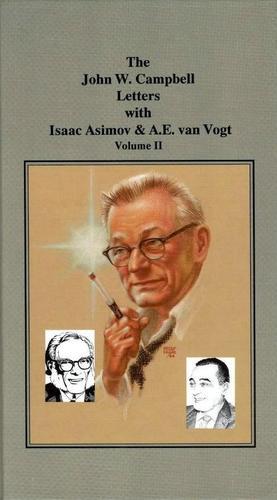
The John W. Campbell Letters with Isaac Asimov and A. E. van Vogt
John W. Campbell, 1991
- Analog IIJohn W. Campbell
Analog II
John W. Campbell, 1964
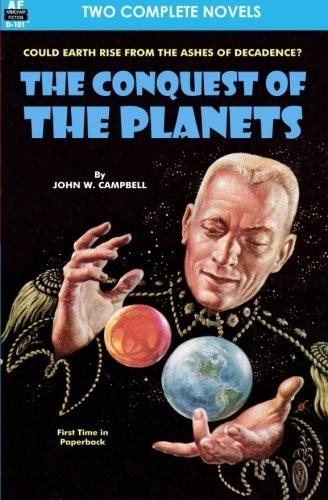
Conquest of the Planets & The Man Who Annexed the Moon
John W. Campbell & Bob Olsen, 2013
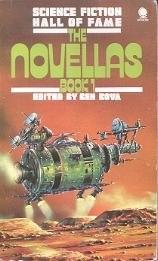
Science Fiction Hall of Fame
Ben Bova, Poul Anderson & others, 1975
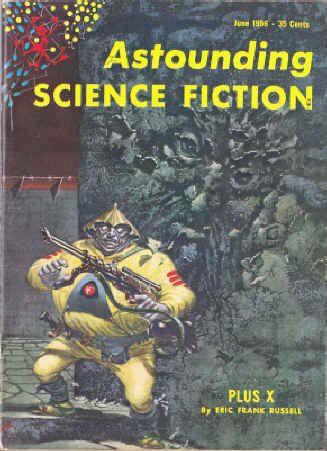
Astounding Science Fiction, June 1956
John W. Campbell, Robert Silverberg & others, 1956
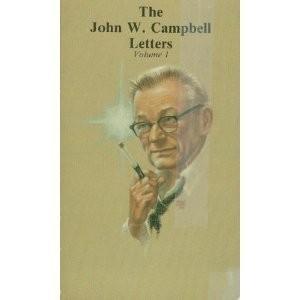
The John W. Campbell Letters
John W. Campbell, 1985
- The Complete Collection of the John W. Campbell LettersJohn W. Campbell
The Complete Collection of the John W. Campbell Letters
John W. Campbell, 1987
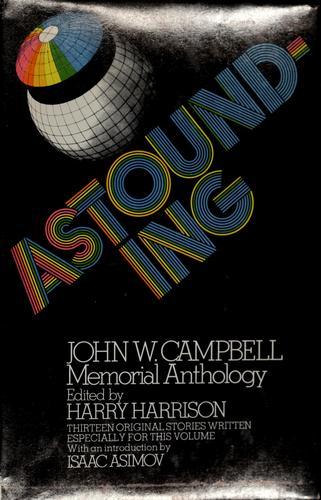
Astounding
Harry Harrison & John W. Campbell, 1973
- Remarque's "All Quiet on the Western Front"John W. Campbell
Remarque's "All Quiet on the Western Front"
John W. Campbell, 1985
- Quick and Easy Monarch Notes on Salinger's Catcher in the RyeJ. D. Salinger, John Hurley (undifferentiated) & others
Quick and Easy Monarch Notes on Salinger's Catcher in the Rye
J. D. Salinger, John Hurley (undifferentiated) & others, 1984
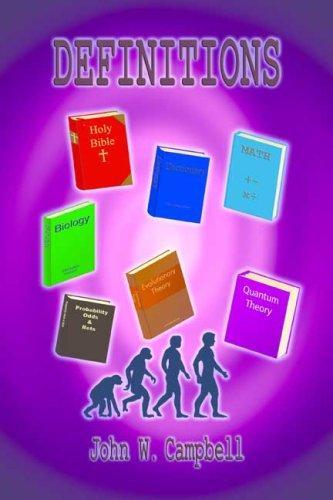
Definitions
John W. Campbell, 2007
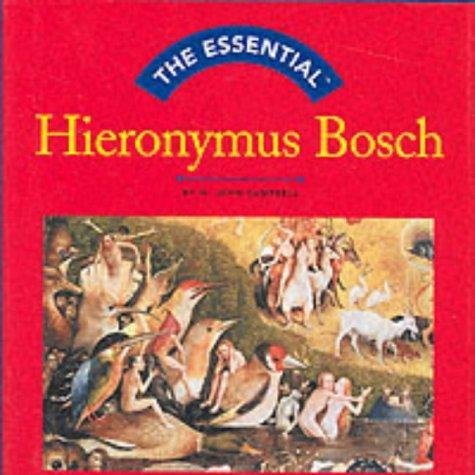
The Essential
John W. Campbell, 2000
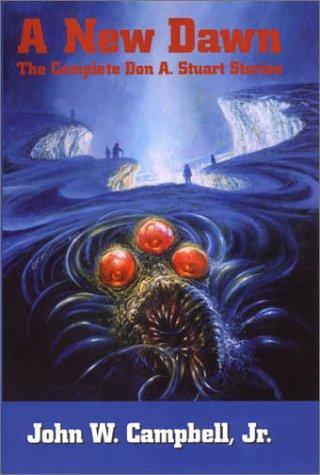
A New Dawn
John W. Campbell, 2003
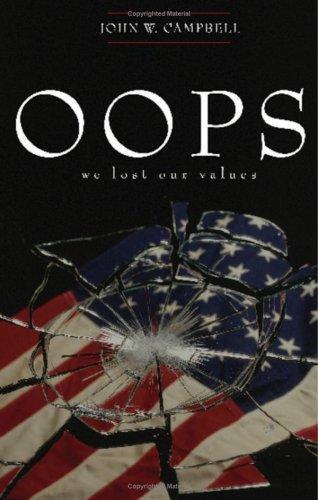
Oops, We Lost Our Values
John W. Campbell, 2007
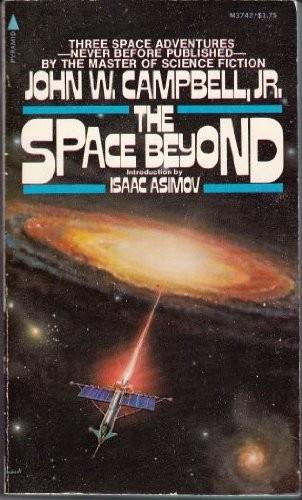
Space Beyond
John W. Campbell, 1976
- Ultimate WeaponJohn W. Campbell
Ultimate Weapon
John W. Campbell, 2008
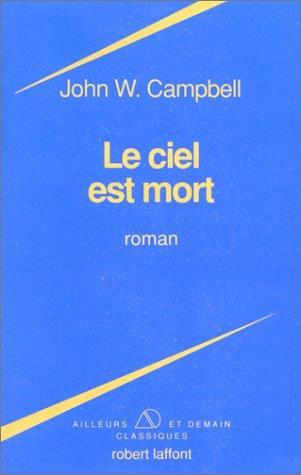
Le ciel est mort
John W. Campbell, 1992
- Harper Lee's to Kill a Mockingbird (Quick and Easy Notes)Susan O'Leary & John W. Campbell
Harper Lee's to Kill a Mockingbird (Quick and Easy Notes)
Susan O'Leary & John W. Campbell, 1984
- Monarch Notes on Steinbeck's of Mice and MenJohn W. Campbell
Monarch Notes on Steinbeck's of Mice and Men
John W. Campbell, 1984
- Venus EquilateralJohn W. Campbell, Sol Levin & others
Venus Equilateral
John W. Campbell, Sol Levin & others, 2022
Reading John W. Campbell
- Which books by John W. Campbell can I find here?
This page currently brings together 48 catalogue works, including Who Goes There?, The Science Fiction Hall of Fame -- Volume Two A, Before the Golden Age. This is a selection from our catalogue, not necessarily a complete bibliography. Open a work to compare editions and reviews.
Search this author- How are these books ordered?
The list uses catalogue reading-popularity data to put widely read works first. That is a discovery aid, not a claim that the first result is the author's best book or a recommended reading order.
- Where should I check a particular edition or translation?
Open the book's catalogue page and compare publisher, year, format, language and ISBN. Different editions of the same work can have different translators, introductions and page counts.