Author
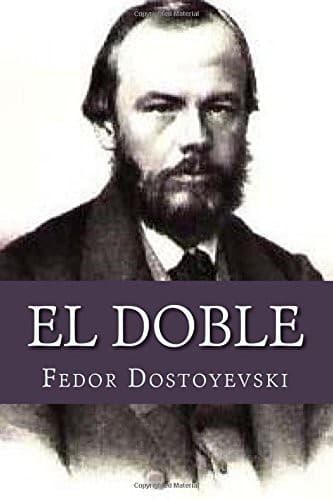
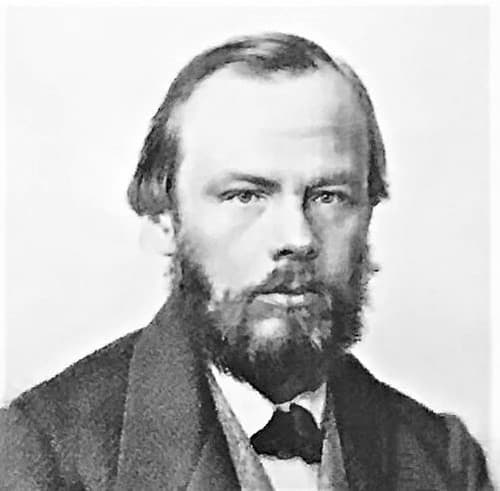
Fyodor Dostoyevsky
1821–1881
Russian novelist Fyodor Mikhailovitch Dostoyevsky was a journalist and short-story writer, whose psychological penetration into the human soul profoundly influenced the 20th century novel. Dostoevsky's novels have much autobiographical elements, but ultimately they deal with moral and philosophical questions. He presented interacting characters with contrasting views or ideas about freedom of choice, Socialism, atheisms, good and evil, happiness and so forth. Dostoevsky's central obsession was God, whom his characters constantly search through painful errors and humiliations. (Source)
Dostoyevsky's literary output explores human psychology in the troubled political, social and spiritual context of 19th-century Russian society. Considered by many as a founder or precursor of 20th-century existentialism, his *Notes from Underground* (1864), written in the embittered voice of the anonymous "underground man", was called by Walter Kaufmann the "best overture for existentialism ever written." A prominent figure in world literature, Dostoyevsky is often acknowledged by critics as one of the greatest psychologists in world literature. (Source)
Wikipedia. Bibliographic data from Open Library.
Books by Fyodor Dostoyevsky
Most-read first



Reading Fyodor Dostoyevsky
- Which books by Fyodor Dostoyevsky can I find here?
This page currently brings together 48 catalogue works, including Crime and Punishment, The Brothers Karamazov, Notes from the Underground. This is a selection from our catalogue, not necessarily a complete bibliography. Open a work to compare editions and reviews.
Search this author- How are these books ordered?
The list uses catalogue reading-popularity data to put widely read works first. That is a discovery aid, not a claim that the first result is the author's best book or a recommended reading order.
- Where should I check a particular edition or translation?
Open the book's catalogue page and compare publisher, year, format, language and ISBN. Different editions of the same work can have different translators, introductions and page counts.