
Author
David Petersen
David Petersen has a B.Sc. in Psychology, a Ph.D. in Theatre Studies, a certificate for teaching English as a Second Language, and the highest qualification on the Japanese language proficiency test from the Government of Japan. He has traveled the world and has lived in North America, Europe, Asia, and Oceania. He started composing music after being diagnosed with Parkinson's disease.
Bibliographic data from Open Library.
Books by David Petersen
Most-read first
Tao Te Ching / Daodejing
Laozi & David Petersen, 2010

"The Secret 18th-Century Jazz Club" and Other Challenging and Original Music for Piano(s)
David Petersen, 2024

An Invitation to Kagura
David Petersen, 2007
Absolute Beginner's Guide to Hiragana (with an Introduction to Grammar and Kanji)
David Petersen, 2007

Prayers in Stone
David Petersen, 2012
Lao Tsu's Tao Te Ching with 81 Mandalas in Full Color
David Petersen & 老子, 2019

Stretches of Mind
David Petersen, 2020

Postcards from a Neo-Romantic's Extrasolar Grand Tour
David Petersen & Mandy Conti, 2021
Full Mindedness
David Petersen & Mandy Conti, 2019

Mind Matters
David Petersen, 2019
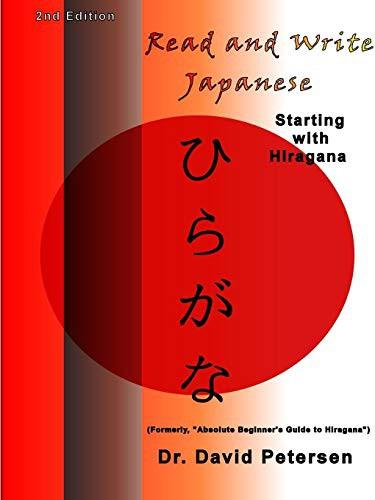
Read and Write Japanese Starting with Hiragana
David Petersen, 2019
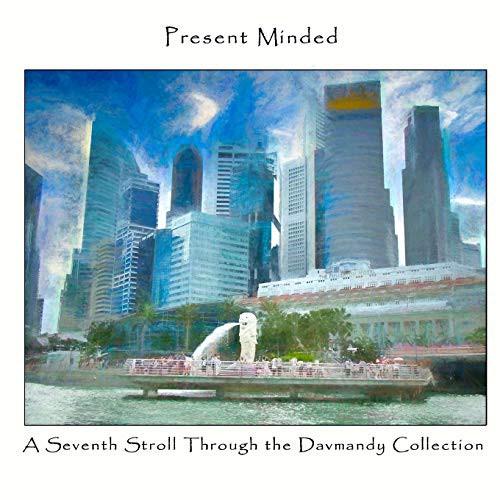
Present Minded
David Petersen, 2020
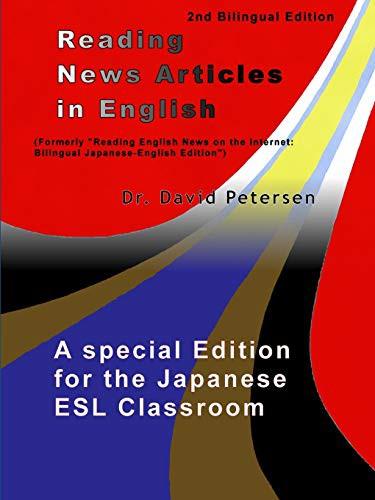
Reading News Articles in English
David Petersen, 2019
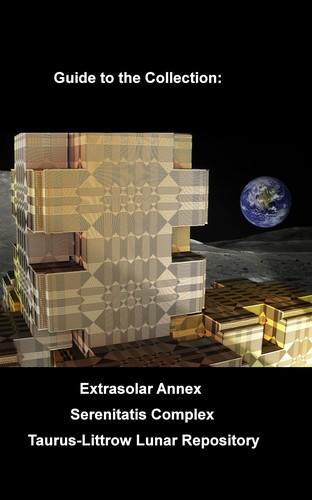
Guide to the Collection
David Petersen & Mandy Conti, 2021

Survivors: The A-bombed Trees of Hiroshima
David Petersen & Mandy Conti, 2008

Scribblings of a Melody-Friendly Composer
David Petersen, 2024

Eye's Mind
David Petersen, 2019

Sights in Mind
David Petersen, 2019
Manners of Mind
David Petersen & Mandy Conti, 2019
Image of Intangibility
David Petersen & 老子, 2019
Reading English News on the Internet
David Petersen, 2006
The Well-Tempered Body
David Petersen, 2007
Reading David Petersen
- Which books by David Petersen can I find here?
This page currently brings together 22 catalogue works, including Tao Te Ching / Daodejing, "The Secret 18th-Century Jazz Club" and Other Challenging and Original Music for Piano(s), An Invitation to Kagura. This is a selection from our catalogue, not necessarily a complete bibliography. Open a work to compare editions and reviews.
Search this author- How are these books ordered?
The list uses catalogue reading-popularity data to put widely read works first. That is a discovery aid, not a claim that the first result is the author's best book or a recommended reading order.
- Where should I check a particular edition or translation?
Open the book's catalogue page and compare publisher, year, format, language and ISBN. Different editions of the same work can have different translators, introductions and page counts.