
Author
Damon Knight
1922–2002
Damon Knight was born in Baker City, Oregon. He graduated from the WPA Art Center in Salem, Oregon, then moved to New York City. His first story, "Resilience", was published in 1941. In 1943 he went into publishing, first with Popular Publications, then editing Beyond in 1950-51 and If in 1959-60. He became a science fiction critic in 1945, but gave that up in 1954. In 1956 he co-founded the Milford Science Fiction Writers' Conference. Also in 1956, he received the Hugo Award for science fiction criticism. In 1965, he founded and became the first president of the Science Fiction Writers of America. He published his last book, Will the Real Hieronymus Bosch Please Stand Up? on the internet in 2000. He lived in Eugene, Oregon, United States, with his wife Kate Wilhelm, also a science fiction writer.
Wikipedia. Bibliographic data from Open Library.
Books by Damon Knight
Most-read first
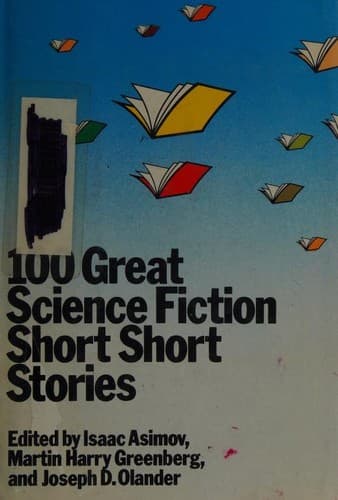
100 Great Science Fiction Short Short Stories
Isaac Asimov, Martin H. Greenberg & others, 1978
Galaxy
Frederik Pohl, Martin H. Greenberg & others, 1980
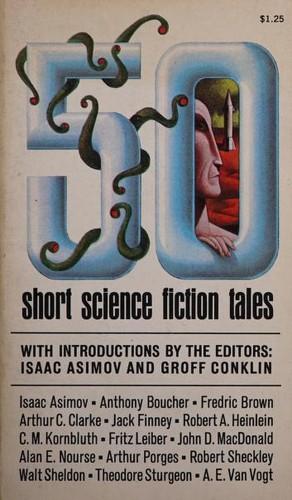
Fifty Short Science Fiction Tales
Isaac Asimov, Conklin & others, 1963

The Seventh Galaxy Reader
Frederik Pohl, Algis Budrys & others, 1964
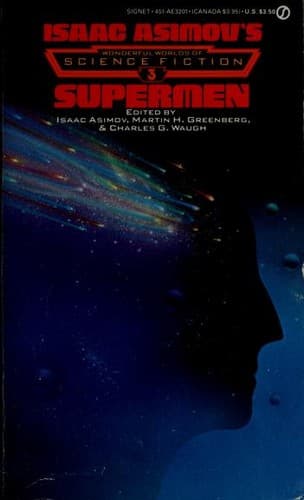
Supermen
Isaac Asimov, Martin H. Greenberg & others, 1984
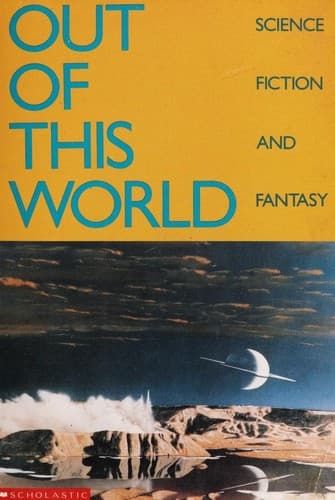
Out of This World
Deborah H. Sussman, Isaac Asimov & others, 1990
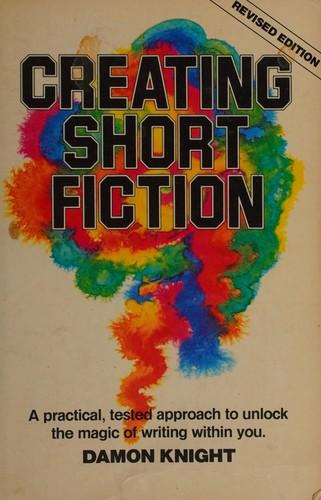
Creating Short Fiction
Damon Knight, 1981
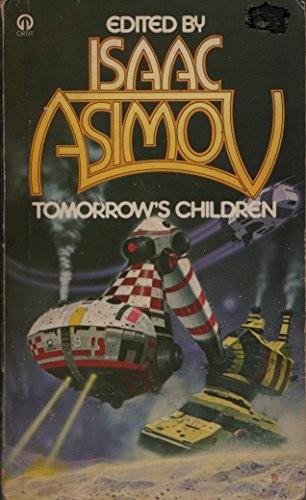
Tomorrow's children
Isaac Asimov, Robert Sheckley & others, 1966
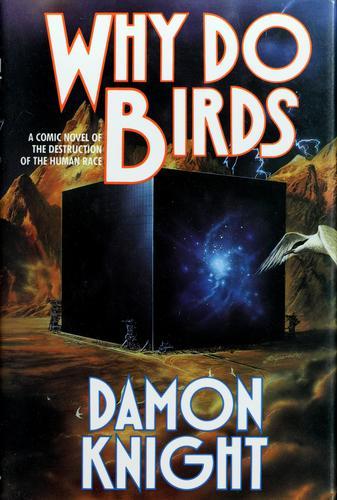
Why do birds
Damon Knight, 1992

Damon Knight's Orbit 12
Damon Knight, Ursula K. Le Guin & others, 1973
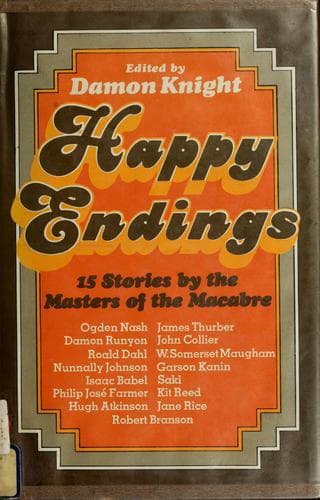
Happy Endings
Damon Knight, James Thurber & others, 1974
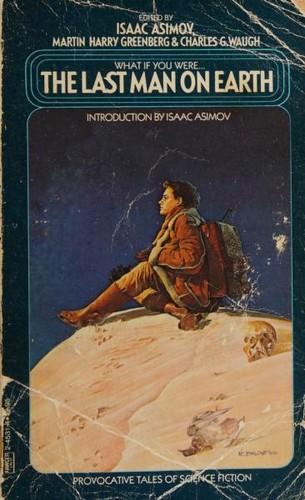
The Last Man on Earth
Isaac Asimov, Martin H. Greenberg & others, 1982

Science fact/fiction
Edmund J. Farrell, Robert Sheckley & others, 1974
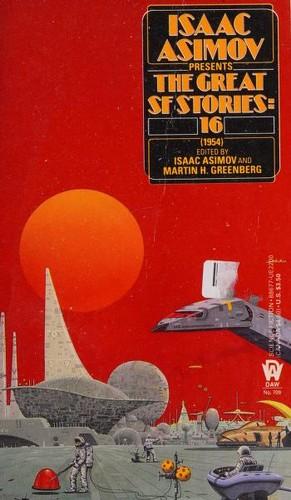
Isaac Asimov Presents The Great SF Stories 16 (1954)
Isaac Asimov, Martin H. Greenberg & others, 1987
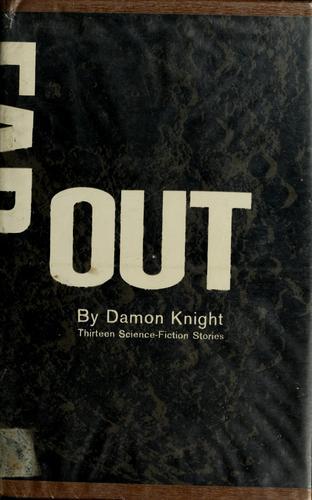
Far out
Damon Knight, 1961
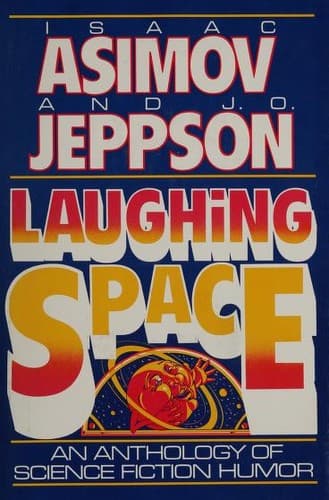
Laughing Space
Isaac Asimov, Janet Asimov & others, 1982

In Search of Wonder
Damon Knight, 1956

Isaac Asimov's Science Fiction Treasury (The Future in Question / Space Mail)
Isaac Asimov, Martin H. Greenberg & others, 1980
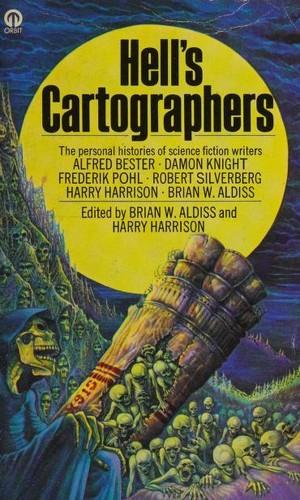
Hell's Cartographers : Some Personal Histories of Science Fiction Writers
Brian W. Aldiss, Alfred Bester & others, 1975

Nebula Award Stories 1965
Damon Knight, 1966
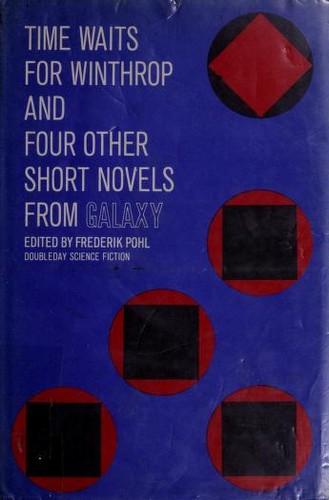
Time Waits For Winthrop
Frederik Pohl, William Tenn & others, 1962
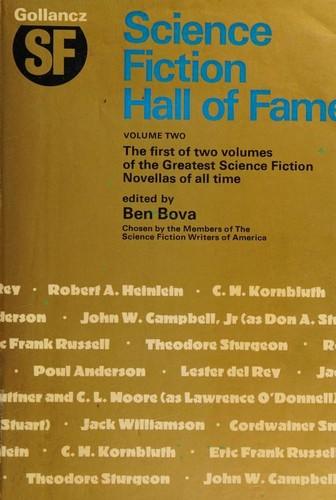
The Science Fiction Hall of Fame -- Volume Two
Ben Bova, Robert Silverberg & others, 1972

A Science Fiction Argosy
Damon Knight & Isaac Asimov, 1972
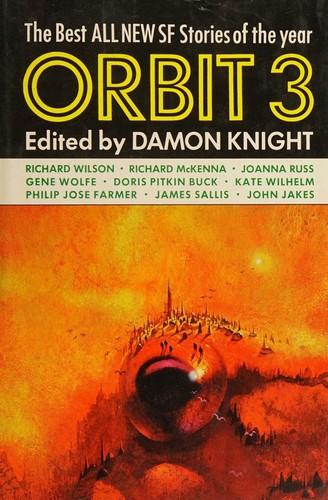
Orbit 3
Gene Wolfe, John Jakes & others, 1968
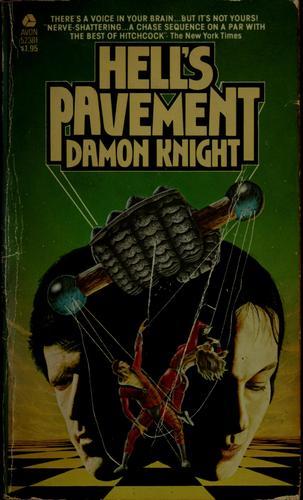
Hell's pavement
Damon Knight
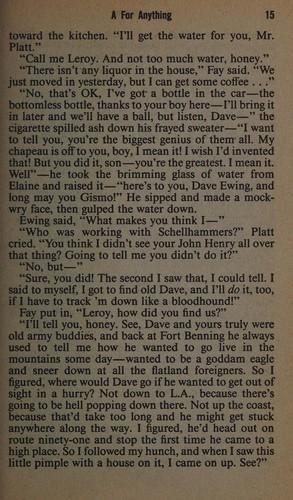
A for Anything
Damon Knight, 1989
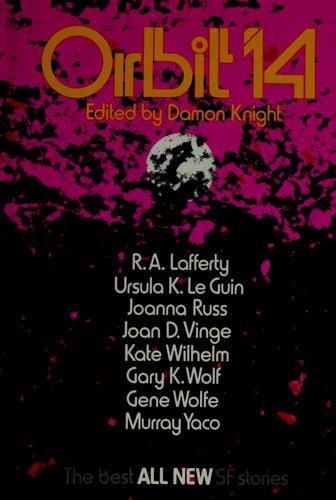
Orbit 14
Damon Knight, 1974

Off centre
Damon Knight, 1969

First voyages
Damon Knight, Martin H. Greenberg & others, 1981
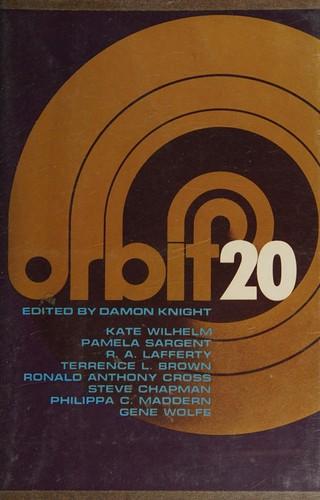
Orbit Twenty
Damon Knight, 1978
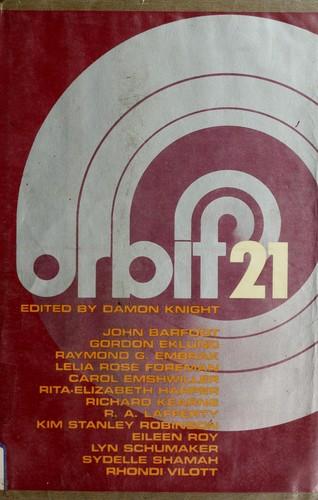
Orbit 21
Damon Knight, 1980

Orbit 5
Damon Knight, 1969

Orbit 16
Damon Knight, 1975
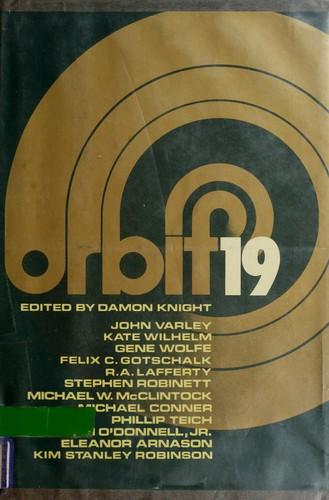
Orbit 19
Damon Knight, 1977
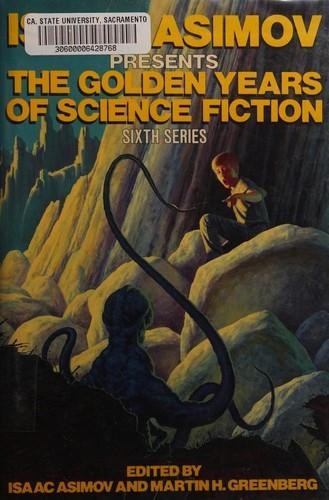
Isaac Asimov presents the golden age of science fiction. Sixth Series
Isaac Asimov, Martin H. Greenberg & others, 1988
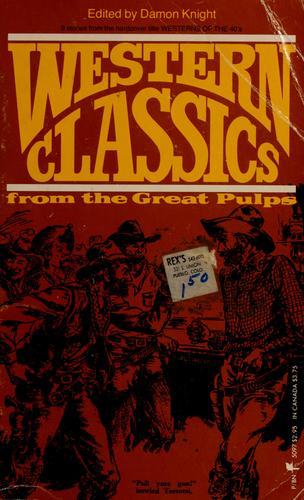
Western Classics from the Great Pulps
Damon Knight, 1978
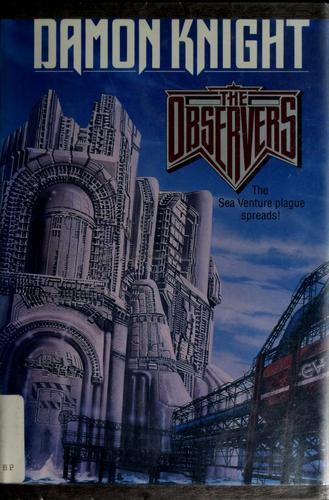
The observers
Damon Knight, 1988
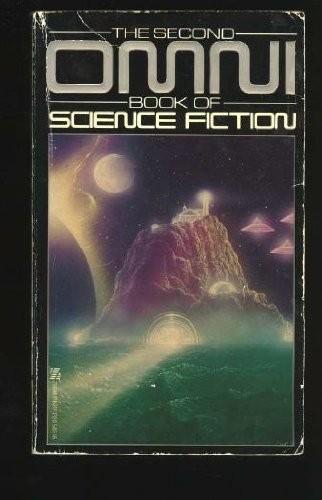
The Second Omni book of science fiction
Ellen Datlow, William Gibson & others, 1981
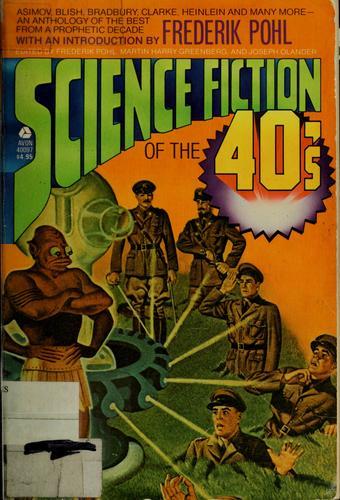
Science Fiction of the forties
Frederik Pohl, Martin H. Greenberg & others, 1978
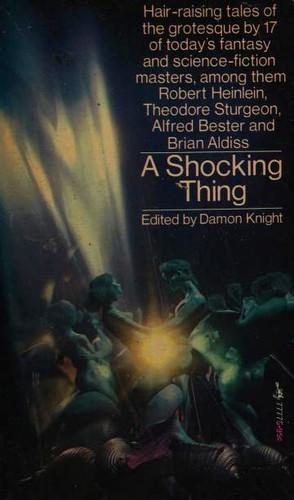
A Shocking Thing
Damon Knight, Roald Dahl & others, 1974
Westerns of the 40'S : Classics from the Great Pulps
Damon Knight, 1977

A Century of Science Fiction
Damon Knight, 1963
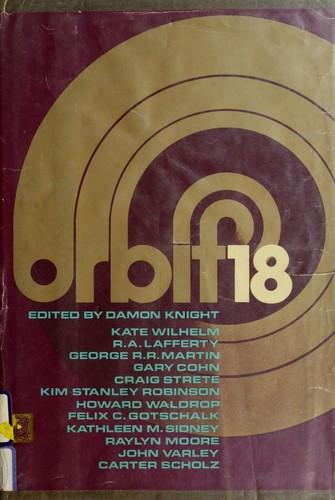
Orbit Eighteen
Damon Knight, 1976

Beyond tomorrow
Damon Knight, 1965
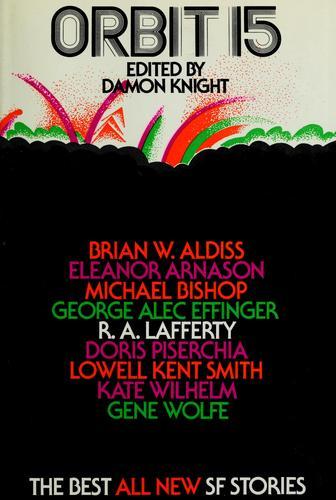
Orbit 15
Damon Knight, 1974
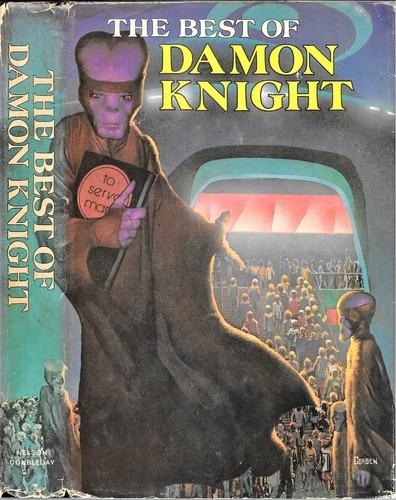
The best of Damon Knight
Damon Knight, 1976

Beyond the Barrier
Damon Knight, 1964
Charles Fort
Damon Knight, 1970
Reading Damon Knight
- Which books by Damon Knight can I find here?
This page currently brings together 48 catalogue works, including 100 Great Science Fiction Short Short Stories, Galaxy, Fifty Short Science Fiction Tales. This is a selection from our catalogue, not necessarily a complete bibliography. Open a work to compare editions and reviews.
Search this author- How are these books ordered?
The list uses catalogue reading-popularity data to put widely read works first. That is a discovery aid, not a claim that the first result is the author's best book or a recommended reading order.
- Where should I check a particular edition or translation?
Open the book's catalogue page and compare publisher, year, format, language and ISBN. Different editions of the same work can have different translators, introductions and page counts.