
Author
Carol S. Dweck
Born 1946
Carol Susan Dweck is an American psychologist. She holds the Lewis and Virginia Eaton Professorship of Psychology at Stanford University. Dweck is known for her work on motivation and mindset. She was on the faculty at the University of Illinois, Harvard, and Columbia before joining the Stanford University faculty in 2004. She was named an Association for Psychological Science (APS) James McKeen Cattell Fellow in 2013, an APS Mentor Awardee in 2019, and an APS William James Fellow in 2020, and has been a member of the National Academy of Sciences since 2012.
Biography from Wikipedia (CC BY-SA). Bibliographic data from Open Library.
Books by Carol S. Dweck
Most-read first
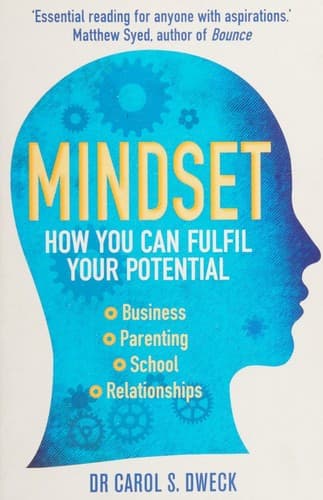
Mindset
Carol S. Dweck, 2006
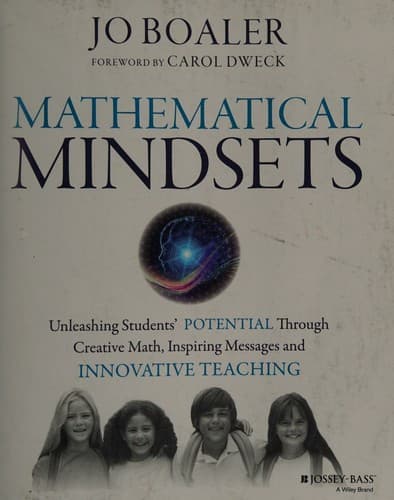
Mathematical mindsets
Jo Boaler & Carol S. Dweck, 2015
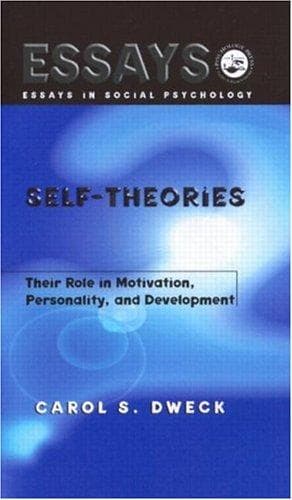
Self-theories
Carol S. Dweck, 2000

Selbstbild
Carol S. Dweck, 2017

Motivation and Self-Regulation Across the Life Span
Jutta Heckhausen & Carol S. Dweck, 2009
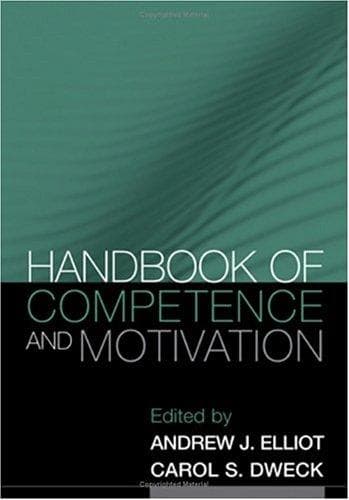
Handbook of Competence and Motivation
Andrew J. Elliot & Carol S. Dweck, 2005
- Cultures of GrowthMary C. Murphy & Carol S. Dweck
Cultures of Growth
Mary C. Murphy & Carol S. Dweck, 2024
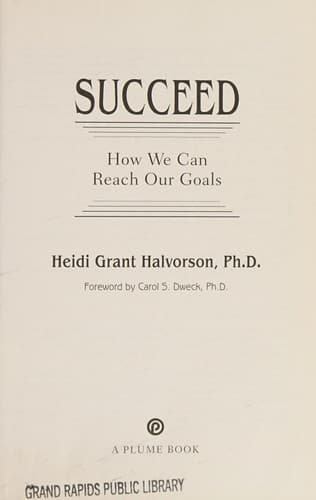
Succeed
Heidi Grant Halvorson & Carol S. Dweck, 2010

ACTITUD DEL EXITO
Carol S. Dweck, 2007
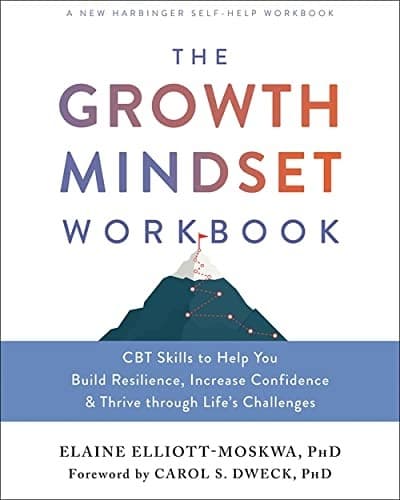
Growth Mindset Workbook
Elaine Elliott-Moskwa & Carol S. Dweck, 2022

Aklini En Dogru Sekilde Kullan
Carol S. Dweck, 2017
Changer d'état d'esprit
Carol S. Dweck
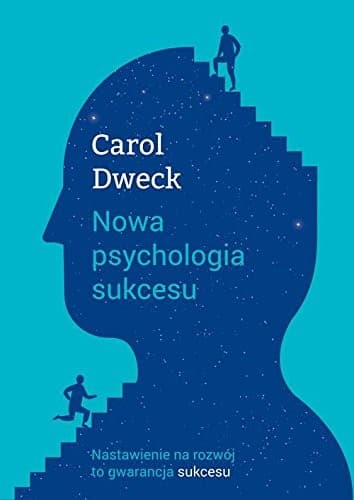
Nowa Psychologia Sukcesu
Carol S. Dweck, 2017
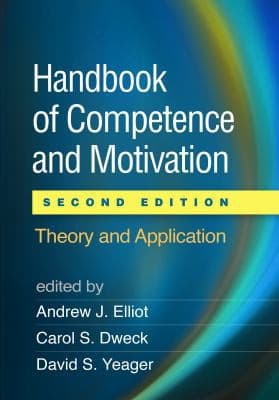
Handbook of Competence and Motivation, Second Edition
Andrew J. Elliot & Carol S. Dweck, 2017
- HBR's 10 Must Reads on Lifelong Learning (with Bonus Article the Right Mindset for Success with Carol Dweck)HBR, Carol S. Dweck & others
HBR's 10 Must Reads on Lifelong Learning (with Bonus Article the Right Mindset for Success with Carol Dweck)
HBR, Carol S. Dweck & others, 2021
- Why We CooperateMichael Tomasello, Brian Skyrms & others
Why We Cooperate
Michael Tomasello, Brian Skyrms & others, 2009
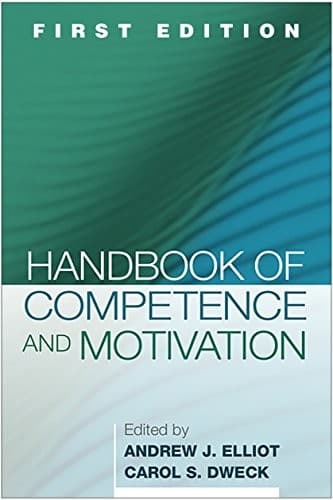
Handbook of Competence and Motivation, First Edition
Andrew J. Elliot & Carol S. Dweck, 2007
Reading Carol S. Dweck
- Which books by Carol S. Dweck can I find here?
This page currently brings together 17 catalogue works, including Mindset, Mathematical mindsets, Self-theories. This is a selection from our catalogue, not necessarily a complete bibliography. Open a work to compare editions and reviews.
Search this author- How are these books ordered?
The list uses catalogue reading-popularity data to put widely read works first. That is a discovery aid, not a claim that the first result is the author's best book or a recommended reading order.
- Where should I check a particular edition or translation?
Open the book's catalogue page and compare publisher, year, format, language and ISBN. Different editions of the same work can have different translators, introductions and page counts.